uliza digital
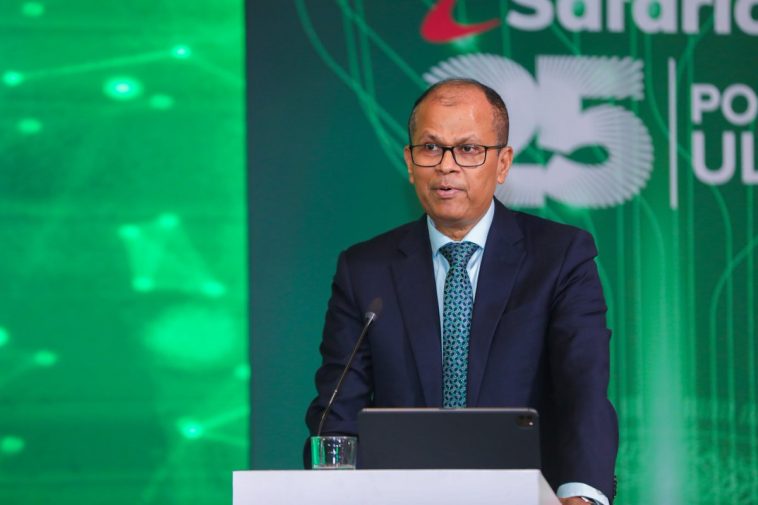
Millions of Kenyans using mobile money are set to benefit from a new privacy upgrade. The Central Bank of Kenya has approved a proposal allowing phone numbers to be partially concealed during certain transactions. The decision targets payments made through till numbers and pay bill services.
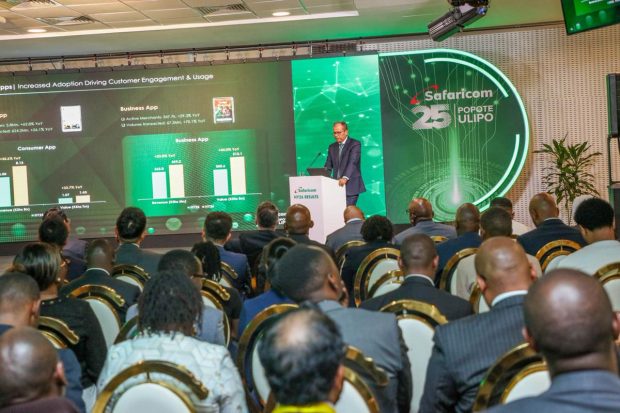
The move was confirmed in a letter from the regulator after reviewing Safaricom’s application. The approval supports a data-minimisation approach. This means only essential information will be displayed during transactions. Authorities say the goal is to strengthen user protection without disrupting services.
Under the new system, a sender’s phone number will appear in a shortened format. For example, it may display as 0718XXXXXX. This limits exposure of personal details. However, recipients will still have the option to request the full number if needed. The sender will decide whether to allow or decline that request. Regulators believe this balance will enhance transparency while protecting privacy.
Officials explained that the initiative aligns with national data protection standards. It aims to ensure payment information is collected and shared responsibly. They emphasised that secure handling of financial data can help reduce fraud. It can also support innovation and customer-focused digital services.
The update comes as the M-Pesa platform continues to expand. The service now supports close to 40 million subscribers. It operates through hundreds of thousands of agents across the country. Over the years, it has evolved from a simple money transfer tool into a broad financial ecosystem. Users can save, borrow, pay bills, and now even invest.
Safaricom has also introduced new digital solutions within the app. One of these allows customers to access stock market opportunities directly from their phones. The expansion reflects the growing role of mobile platforms in everyday financial life.
With this latest approval, privacy becomes a stronger feature of the system. For users, it offers added confidence when making payments. For the digital economy, it marks another step toward safer and more secure transactions.
Share this:

Discover more from ULIZA LINKS NEWS
Subscribe to get the latest posts sent to your email.