uliza digital
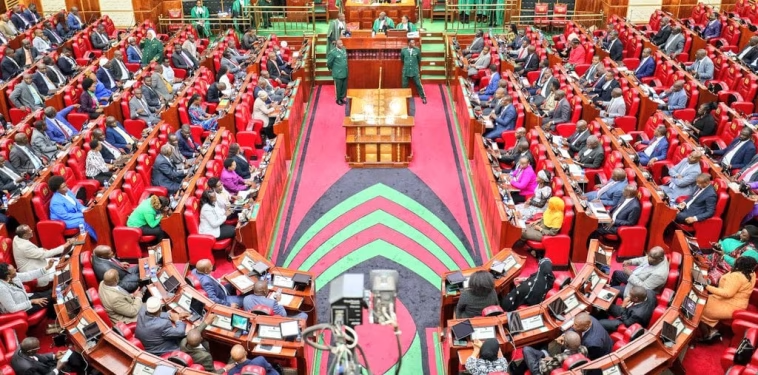
A storm is brewing over the projected cost of Kenya’s 2027 General Election. Members of Parliament have raised sharp concerns over what they describe as an inflated budget presented by the Independent Electoral and Boundaries Commission. At the center of the debate is a staggering Ksh.63.9 billion request to run the polls.
Lawmakers sitting in the Justice and Legal Affairs Committee were particularly stunned by a Ksh.1.1 billion allocation for meals on election day. The figure sparked immediate questions. What kind of meals would cost over a billion shillings? How many officials would be fed? MPs argued that without a clear breakdown, the amount appears excessive.
Printing ballot papers is projected to cost Ksh.5.9 billion. Transport is estimated at Ksh.3 billion. Logistics for election materials will require another Ksh.4.9 billion. Some legislators said the cumulative figures paint a picture of an election growing more expensive with each cycle.
Technology is another major cost driver. The commission wants Ksh.1 billion for results transmission and Ksh.3.9 billion for system upgrades. It has also proposed spending Ksh.6.2 billion to replace thousands of KIEMS kits. IEBC plans to replace 45,352 kits, yet the total requirement for the election stands at 59,352 kits. MPs questioned whether replacement and procurement plans are aligned.
Operational expenses also raised eyebrows. The commission budgeted Ksh.776 million for tents and sound systems on polling day. Party primaries are set to consume Ksh.560 million. Auditing the voter register will cost Ksh.500 million, while bulk SMS services are projected at Ksh.305 million.
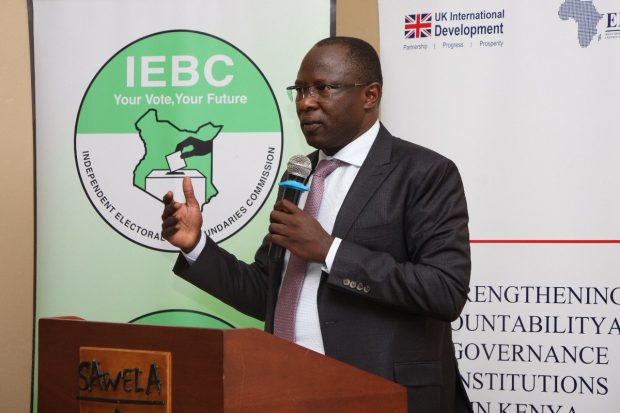
The IEBC defended its estimates, insisting that credible elections require adequate funding. Officials told MPs the budget reflects lessons from past elections and the need for improved technology, logistics, and transparency. They urged Parliament to approve the allocation to guarantee a smooth process.
Still, the debate signals a broader concern. As the cost of elections rises, so does public scrutiny. With economic pressures weighing heavily on taxpayers, MPs are demanding accountability before signing off on billions. The battle over the ballot may have started long before 2027.
Share this:

Discover more from ULIZA LINKS NEWS
Subscribe to get the latest posts sent to your email.