uliza digital
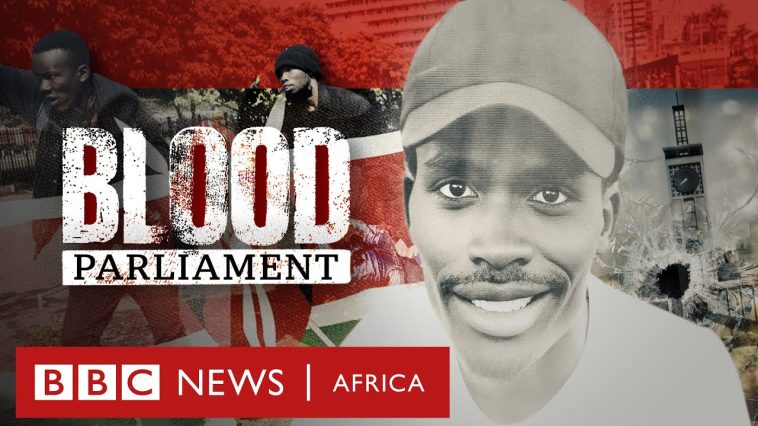
An investigative documentary examining the deaths of young protesters during Kenya’s June 2024 demonstrations has earned international recognition after winning a prestigious media award in the United Kingdom.
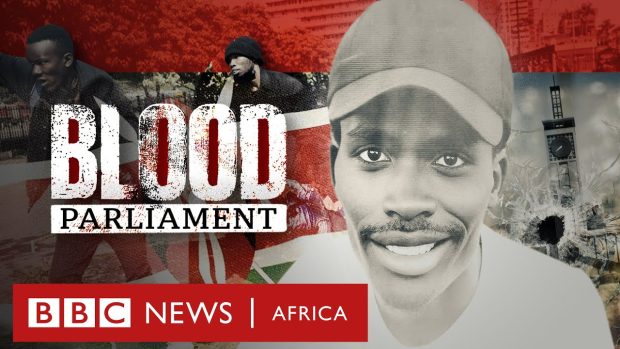
The film, produced by the BBC’s Africa Eye investigative team, received the Best On-Demand Journalism honour at the Royal Television Society Awards. The society, established in 1927, recognises outstanding television journalism and production across the UK and Ireland.
Judges praised the documentary for its powerful storytelling and advanced production techniques. In their comments, the panel said the programme “took their breath away… with technical sophistication in graphics and sound.”
The 37-minute investigation, titled BloodParliament, revisits the dramatic protests that erupted outside Parliament in Nairobi on June 25, 2024. Thousands of young Kenyans had gathered to oppose the controversial Finance Bill that proposed new taxes.
Many of the protests were organised online by Kenya’s Gen Z, who mobilised rapidly through social media platforms. Demonstrators marched in several cities, demanding the withdrawal of the bill and greater government accountability.
But the demonstrations turned deadly when security officers attempted to disperse crowds. According to rights groups and reports from the time, live ammunition was used in some locations. More than 60 unarmed protesters were reported killed during the unrest.
The documentary reconstructs what happened using digital investigative methods. Journalists analysed verified videos shared online, satellite images and other open-source materials to build a timeline of events.
Through this process, the investigation traced the movements of security officers around Parliament and highlighted individuals suspected of firing at protesters. The approach drew international attention for its use of digital forensics to examine state response during protests.
Since its release, the documentary has attracted millions of viewers online. By March 2026, it had been watched more than eight million times across various platforms.
However, the film also triggered political debate within Kenya. A planned public screening in Nairobi was cancelled amid reports of pressure from authorities. Some political leaders criticised the BBC and accused it of portraying the country negatively.
Despite the controversy, the documentary continues to circulate widely online. For many viewers, it remains one of the most detailed investigations into the events that unfolded during the Gen Z protests and the lives that were lost.
Share this:

Discover more from ULIZA LINKS NEWS
Subscribe to get the latest posts sent to your email.