uliza digital

A new report by the Ethics and Anti-Corruption Commission has exposed a disturbing reality in Kenya’s service sector, where corruption goes beyond money to include sexual exploitation. The Kenya National Gender and Corruption Survey 2025 shows that many citizens are still forced to pay bribes, while others, mostly women, face pressure to offer sexual favours to access essential services.
The findings reveal that 72.8% of women surveyed said they had been asked for sexual favours more than three times. In comparison, 24.4% of men reported similar experiences. This form of corruption, widely referred to as sextortion, highlights a gendered imbalance where women are more vulnerable when seeking jobs, healthcare, education, and government services.
Speaking during the report’s release, EACC CEO Abdi Mohamud described the findings as alarming. “A critical and painful revelation in this report is the persistence of sextortion—the demand for sexual favours in exchange for public services,” he said. He noted that while corruption affects all Kenyans, women face unique barriers that limit their access to opportunities and essential services.
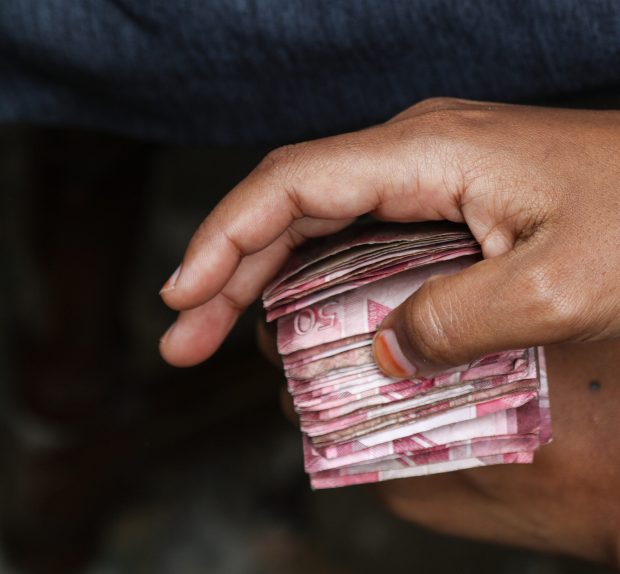
Beyond sextortion, the report also points to widespread bribery across key public institutions. Police officers, civil registration officials, and transport authorities were among the most cited. Cash remains the most common form of bribe, accounting for over 70% of reported cases, followed by mobile money transfers and other forms of exchange.
The data shows that men paid slightly higher average bribes, but women were more likely to face repeated demands involving coercion. This combination of financial and sexual exploitation creates a double burden, especially for those already struggling to access services. Experts warn that such practices deepen inequality and erode trust in public institutions.
The survey recommends urgent reforms, including stronger disciplinary measures, support systems for victims, and gender-sensitive anti-corruption strategies. It also calls for better protection of vulnerable groups, especially young women seeking employment or healthcare.
As Kenya intensifies the fight against corruption, the report underscores the need to confront both bribery and sextortion. Addressing these issues is seen as critical to ensuring fairness, protecting dignity and restoring confidence in public service delivery.
Share this:

Discover more from ULIZA LINKS NEWS
Subscribe to get the latest posts sent to your email.