uliza digital
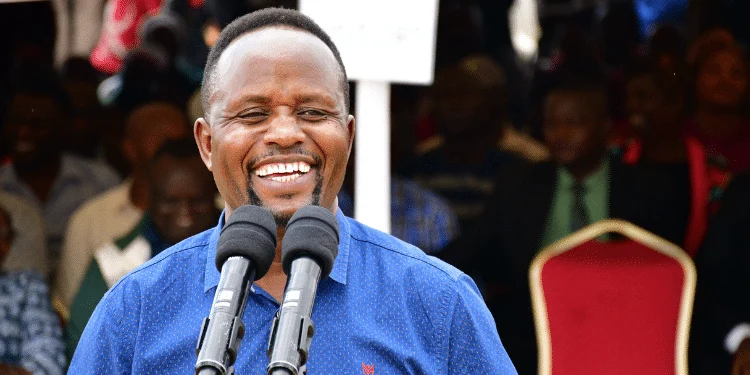
Trans Nzoia Governor George Natembeya is a free man after the High Court dismantled the corruption case that had threatened his career. In a firm judgment delivered on March 4, the court declared the prosecution unconstitutional and awarded him KSh 2.5 million in compensation. The decision shifts attention from the governor to the conduct of investigators.
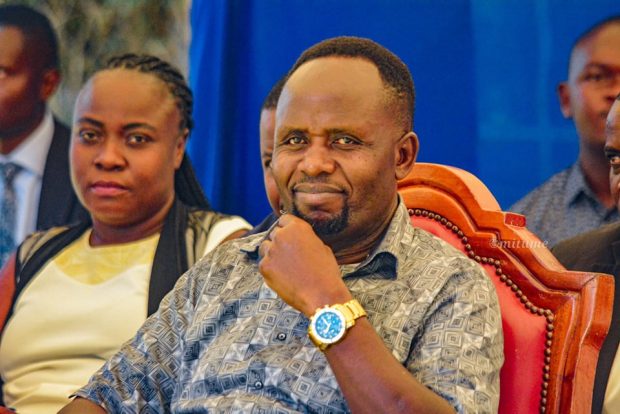
The case had centred on claims of a KSh 1.4 billion financial loss. Investigators alleged that certain transactions linked to the governor were suspicious. Natembeya, however, insisted the payments were lawful allowances reflected in his records. He challenged not only the charges but also the manner in which he was arrested and investigated.
Justice Bahati Mwamuye ruled that the prosecution lacked a proper legal anchor. “The decision to charge the petitioner when viewed holistically lacked a proper foundation,” the judge stated. He noted that the threshold for sustaining a criminal case had not been met.
The court also pointed to serious violations of constitutional rights. It found that Natembeya was denied access to his lawyers during his arrest. The judge further ruled that his M-Pesa statements were obtained through an unlawful process. That evidence, the court said, could not stand.
In a strongly worded finding, Justice Mwamuye criticised what he termed misuse of prosecutorial power. “The respondent’s conduct of premature charging, reliance on post-factual evidence, denial of legal representation and publicising unverified allegations constitutes a clear abuse of power,” he ruled.
The High Court permanently stopped the Ethics and Anti-Corruption Commission and the Office of the Director of Public Prosecutions from pursuing the matter further based on the same claims. Earlier temporary orders blocking the case were confirmed as final.
Beyond clearing his name, the governor was awarded KSh 2.5 million in general damages for the harm caused by the arrest and prosecution. The amount will attract interest until payment is completed.
The ruling sends a strong message on due process. It underscores that investigations must respect constitutional safeguards, regardless of the public office involved.
Share this:

Discover more from ULIZA LINKS NEWS
Subscribe to get the latest posts sent to your email.