uliza digital
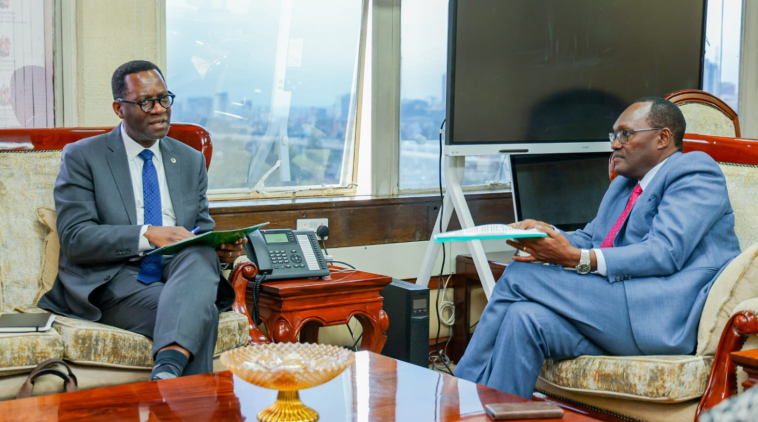
Kenya has added another layer to its external financing strategy. The government has obtained a $509 million loan, equivalent to about KSh 65.6 billion, from the African Development Bank. The agreement follows the country’s recent return to the international bond market.
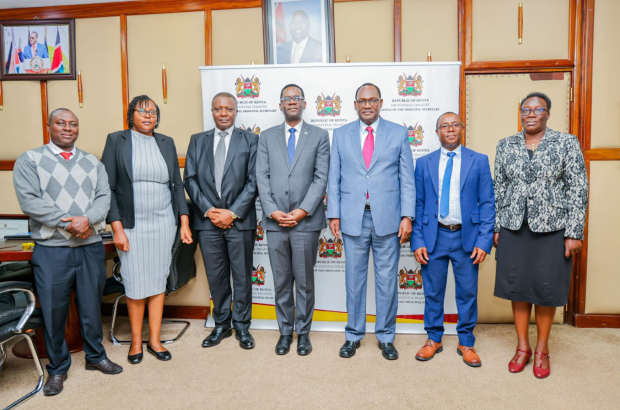
The funds come shortly after Kenya successfully issued a new Eurobond worth $2.25 billion. Treasury officials say the bond was structured in two parts with different repayment periods and interest rates. The proceeds are expected to help manage maturing obligations and support the national budget.
National Treasury Principal Secretary Chris Kiptoo confirmed the AfDB financing after high-level discussions with the lender. He noted that the resources will support ongoing development programmes. These include infrastructure projects, health sector improvements, water systems, and road upgrades.
According to the Treasury, the loan aligns with Kenya’s broader development framework with the bank. Officials say the partnership is aimed at strengthening economic stability and accelerating priority projects. They also emphasized better project implementation to ensure funds deliver measurable impact.
The additional borrowing comes at a time when public debt continues to rise. Figures from the Central Bank indicate that total national debt has climbed to trillions of shillings. The increase has been driven by repeated external borrowing, exchange rate pressures, and persistent budget deficits.
Government representatives maintain that external financing remains necessary to bridge funding gaps. They argue that infrastructure investment is essential for long-term growth and job creation. At the same time, authorities have signaled greater reliance on domestic borrowing in upcoming fiscal plans.
Analysts say the focus now shifts to debt sustainability. They stress the importance of boosting revenue collection and ensuring productive use of borrowed funds. The balance between development needs and repayment capacity will remain central to Kenya’s economic outlook.
With the new AfDB package, the government gains additional fiscal room. The challenge will be converting the borrowed funds into visible economic gains while keeping debt levels under control.
Share this:

Discover more from ULIZA LINKS NEWS
Subscribe to get the latest posts sent to your email.