uliza digital
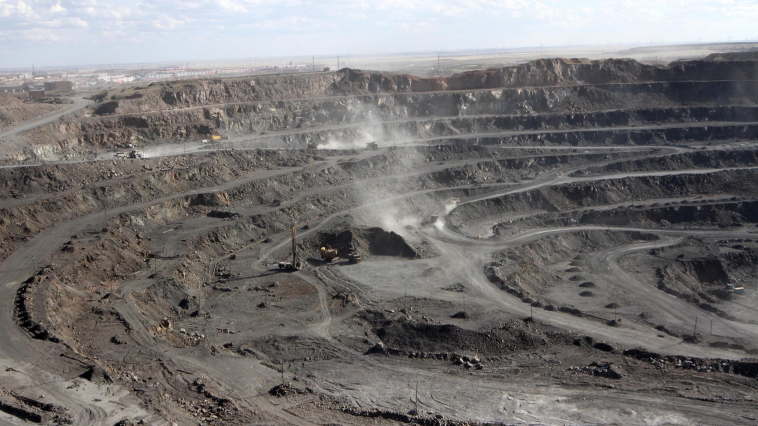
Europe wants to reduce its dependence on China for rare earth minerals. However, that plan is facing resistance in southern Norway. Environmental concerns are slowing a major mining project near the small town of Ulefoss.
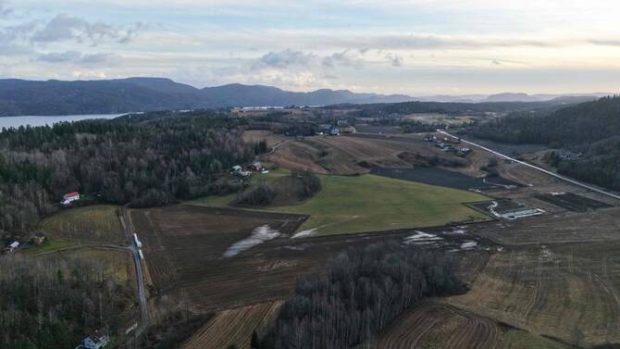
Beneath the forested Fensfeltet area lies a huge deposit. Experts estimate it holds about 8.8 million tonnes of rare earth elements. These minerals are vital for modern life. They are used in smartphones. They power electric cars. They are essential for advanced defence systems. The European Union has labelled them critical raw materials. Today, Europe imports about 98 percent of its rare earths from China.
To change this, the EU wants at least 10 percent of its needs mined within the bloc by 2030. Yet no rare earth mines are currently operating in Europe. This makes the Norwegian project especially important. Rare Earths Norway, which owns the extraction rights, says Europeans rely on these materials every day, often without noticing.
Still, progress has been slow. Environmental concerns have forced delays. Mining is now expected to begin in the early 2030s. The company plans an “invisible mine.” It would use underground extraction. It would avoid open pits. It would also reinject much of the waste to limit surface damage.
Even so, problems remain. Experts examined the proposed processing site. They found 78 species listed as threatened in Norway. These include beetles that rely on dead wood. They include rare elm and ash trees. They also include dozens of mushrooms and sensitive mosses. As a result, authorities objected during consultations. Concerns also focused on waste disposal in a protected water system.
Environmental groups urge caution. They agree Europe needs its own supply of raw materials. However, they warn against destroying valuable ecosystems. They argue that progress should be steady, not reckless.
Local leaders are now reviewing alternative sites. These options are unpopular. Developers dislike them. Residents are unsure. Yet the debate continues. Ulefoss, home to about 2,000 people, has struggled for years. Jobs have disappeared. Young people have moved away.
For many locals, the mine offers hope. It could bring work. It could attract investment. It could revive the town. Still, residents remain cautious. They want development. They also want to protect their surroundings. The struggle highlights a wider European challenge. Securing the future must not come at the cost of nature.
Share this:

Discover more from ULIZA LINKS NEWS
Subscribe to get the latest posts sent to your email.