uliza digital
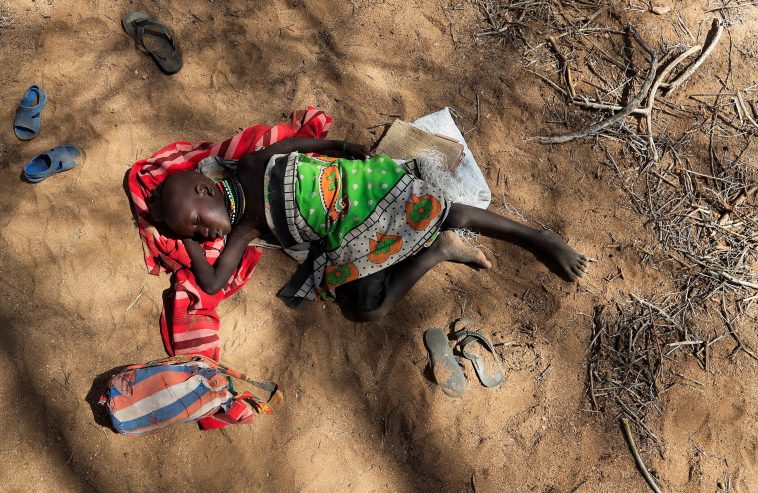
Kenya is facing a hunger emergency as drought spreads across 32 counties. More than 2.1 million people need food aid and the government now seeks Ksh.13 billion to help them. Deputy President Prof. Kithure Kindiki has appealed to development partners, aid agencies and private firms to step in before lives are lost.
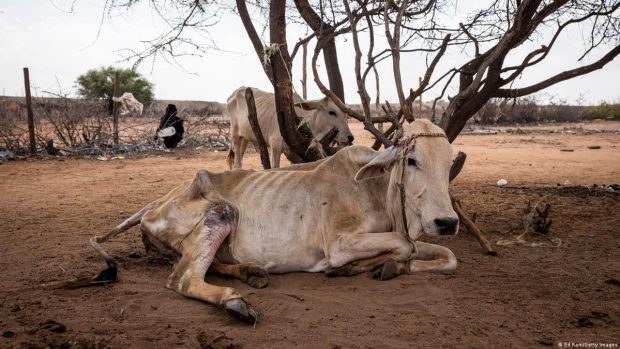
The short rains have failed again, leaving dry farms, empty rivers and dying animals. Ten counties are already on high alert, including Wajir, Mandera, Garissa and Marsabit. In these areas, families are skipping meals as hunger deepens. For herders, the losses are grave, livestock, their key source of income, are too weak to move or feed.
In Wajir County, the scene is desperate. Families search for water as animals collapse from hunger. Children and the elderly are most at risk as food runs out. The government says it needs Ksh.7 billion for food, water and medical care for the next three months. Another Ksh.6 billion will support livestock with feed, water and an animal off-take program to stop mass losses.
Relief work has already begun. The plan includes direct food aid and cash transfers to support the hardest-hit families. The government has asked groups like **Safaricom, Equity Bank, and the Kenya Red Cross to help with funds, food and logistics. The most affected counties include Kilifi, Kitui, Kwale, Isiolo, Kajiado and Tana River, while others such as Turkana, Samburu and West Pokot remain at risk.
Prof. Kindiki said saving lives is the government’s top goal. He warned that the dry spell could last months and worsen if help comes too late. “We must act now,” he said, urging Kenyans and partners to join hands to protect families and livestock before the crisis grows.
Share this:

Discover more from ULIZA LINKS NEWS
Subscribe to get the latest posts sent to your email.