uliza digital
Thousands of acres of farmland in Nyanza are coming back to life. Government irrigation projects are turning idle plots into productive farms. Farmers can now grow crops all year, reducing reliance on unpredictable rainfall.
The Kimira Oluch Irrigation Scheme in Homa Bay is a prime example. Recently transferred to the National Irrigation Authority, it covers 4,341 acres. Yet only 1,100 acres are currently under rice production, yielding about 1,650 metric tonnes. The government plans to rehabilitate the scheme, complete infrastructure, and train farmers to expand production.
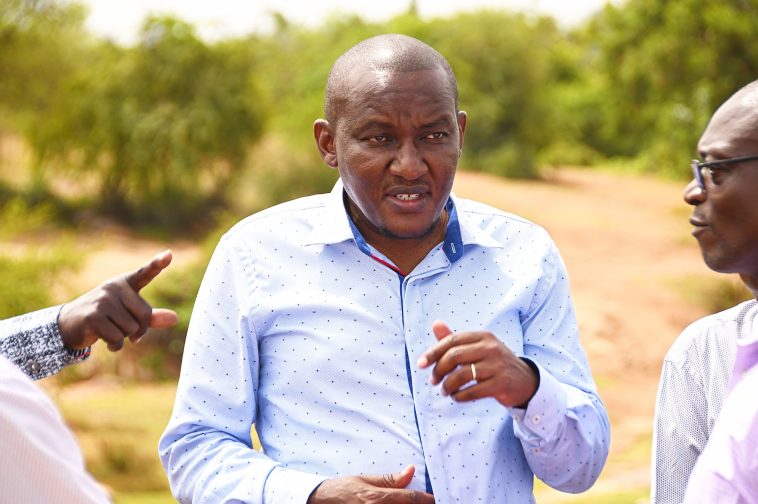
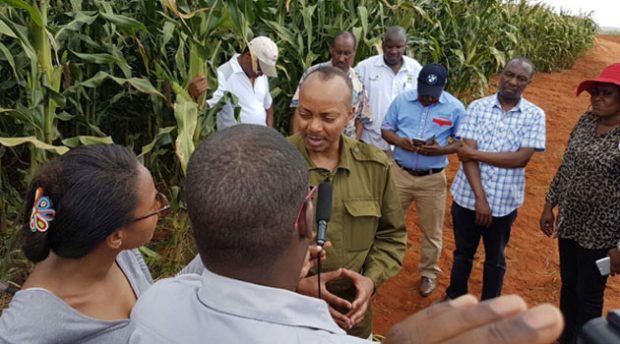
Principal Secretary for Irrigation, Ephantus Kimotho, led an inspection tour on Friday. He was joined by Karachuonyo MP Adipo Okuome, County Commissioner Ronald Mwiwawi, and senior officials. The visit focused on immediate interventions to make the scheme fully operational.
Other irrigation projects are unlocking similar potential across the region. The Okundi Dam Irrigation Project in Rachuonyo North will irrigate 100 acres, helping 100 households and over 10,000 livestock. Nyamaji Irrigation Project in Suba North plans to support 2,000 acres and 2,000 farmers with year-round horticulture production.
Large-scale schemes are already showing results. Lower Kuja in Nyatike supports 589 farmers on 2,296 acres. Lower Nzoia Phase I spans 10,000 acres and benefits 12,600 farmers. Even smaller community boreholes support school farming and household irrigation, strengthening food security at the local level.
These projects are changing livelihoods. Farmers are earning more, growing diverse crops, and stabilising household incomes. Livestock is thriving during dry spells, and communities are less dependent on seasonal rains.
Looking ahead, Kenya plans six major mega dams from 2026. These projects aim to irrigate two million acres in dry and semi-dry regions. They will create opportunities for commercial farming and enhance national food security.
In Nyanza, irrigation is no longer just about water. It is reviving idle land, boosting incomes, and transforming communities. Farmers are witnessing their land turn into a steady source of growth, stability, and hope.
Share this:

Discover more from ULIZA LINKS NEWS
Subscribe to get the latest posts sent to your email.