uliza digital
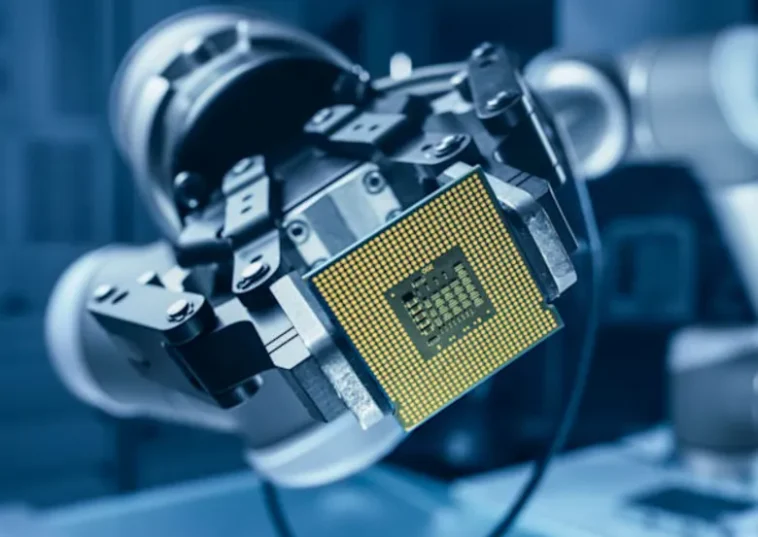
Japan is planning a major comeback in the global semiconductor industry. The government has set a bold goal to multiply domestic microchip sales eight times by the year 2040. The strategy is part of a wider effort to strengthen the country’s role in the fast-growing technology sector.

Decades ago, Japan dominated the semiconductor market. In the 1980s, the country controlled nearly half of the world’s chip production. That position gradually weakened as rivals such as Taiwan and South Korea expanded their manufacturing power. Slower digital transformation among Japanese businesses and past trade tensions with the United States also slowed the industry’s progress.
Today, Japan accounts for less than 10 percent of the global chip market. But Tokyo wants to change that trend. Officials have announced plans to increase sales of Japanese-made chips to 15 trillion yen (about $95 billion) by 2030. The government then hopes to reach 40 trillion yen, roughly $250 billion, by 2040. This is a huge jump from the five trillion yen recorded in 2020.
The renewed push comes as semiconductors become more important than ever. Chips power modern devices ranging from smartphones to electric vehicles. They also drive advanced computing systems used in artificial intelligence. As demand grows worldwide, governments are competing to secure their own supply chains.
Japan is now investing heavily in chip manufacturing projects. A new domestic company, Rapidus, is developing a facility that will produce advanced two-nanometre semiconductors. The company plans to begin large-scale production by 2027. These chips are expected to support future technologies such as AI systems and high-performance computing.
International partnerships are also part of the plan. Taiwan Semiconductor Manufacturing Company, the world’s largest contract chipmaker, is constructing a factory in Japan. The facility is expected to produce advanced three-nanometre chips once completed.
Officials believe the global semiconductor market will continue expanding rapidly. Government projections suggest the industry could reach about 190 trillion yen, or around $1.2 trillion, by 2035.
However, Japan admits it has not fully benefited from this growth. In its investment roadmap, the government stated that “Japan has been unable to take advantage of this growth sufficiently.”
Authorities now say the country must strengthen its domestic production capacity. They believe developing next-generation chips locally will be critical for the future of the AI-driven digital economy.
Share this:

Discover more from ULIZA LINKS NEWS
Subscribe to get the latest posts sent to your email.