uliza digital
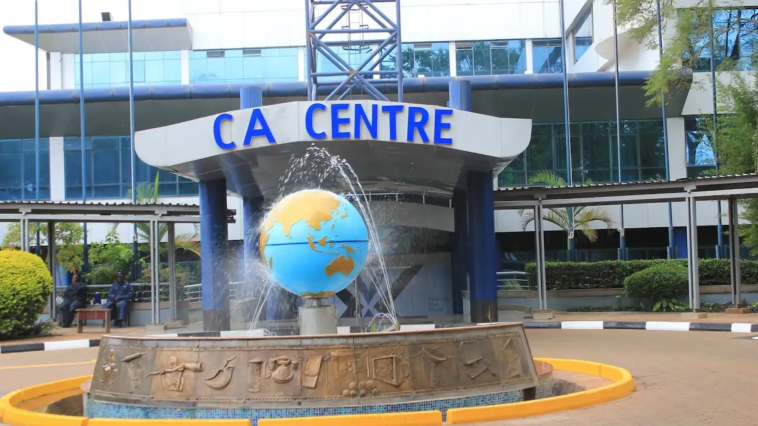
Kenya’s mobile industry is heading toward another major regulatory fight. The Communications Authority of Kenya (CA) is preparing to review mobile phone call rates before the current framework expires in February 2026. The decision is expected to reopen long-standing disputes over competition and pricing in the telecom sector.

At the centre of the debate are mobile termination rates (MTRs). These are the fees operators charge each other when calls move across networks. Currently, CA caps both mobile and fixed termination rates at KSh 0.41 per minute. This rate took effect on March 1, 2024, after a reduction from the earlier KSh 0.58 per minute.
However, this cap has a limited lifespan. Once it expires on February 28, 2026, CA must review the framework. That review could lead to lower rates. As a result, telecom firms are already positioning themselves for another showdown.
MTRs play a big role in call pricing. When a customer on one network calls another network, the originating operator pays the receiving network. High termination rates raise costs for smaller operators. They also strengthen dominant players. Over time, this limits competition.
Previously, CA proposed a sharp cut. In 2022, the regulator wanted to lower MTRs to as little as KSh 0.12 per minute. The aim was simple. Boost competition. Reduce retail call prices. But the plan met resistance. Safaricom opposed it and warned of revenue losses. Eventually, CA chose a slower reduction path.
Market data shows why the debate is intense. In the three months ending September, Safaricom carried 18.13 billion of the 29.9 billion voice minutes in the market. That equals 61.19% of all voice traffic. Yet only 7.8% of its calls ended off-network.
Airtel and Telkom show a different picture. Airtel handled 11.5 billion minutes. Nearly 29.3% of these calls ended on rival networks. Telkom, despite a much smaller base of 84.8 million minutes, saw about half of its calls go off-network.
Subscriber trends add another twist. Recent sector statistics show SIM card registrations rose by 6.7%. During the same period, Airtel gained more subscribers than Safaricom. This shift could strengthen calls for lower termination rates.
As 2026 approaches, pressure will grow. CA must balance competition, affordability, and industry stability. Once again, Kenya’s telecom landscape stands at a critical crossroads.
Share this:

Discover more from ULIZA LINKS NEWS
Subscribe to get the latest posts sent to your email.