uliza digital
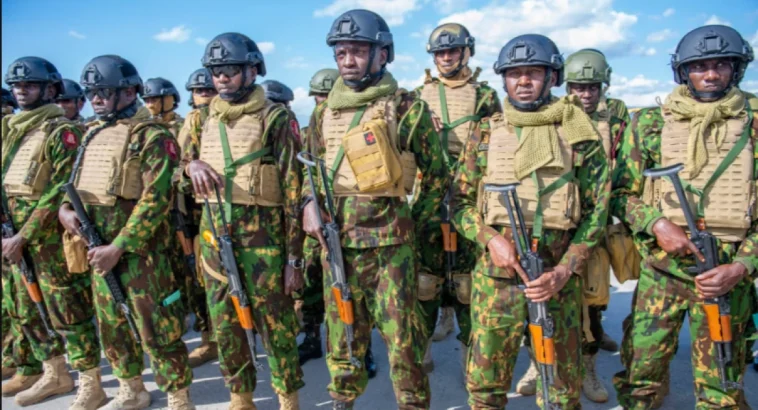
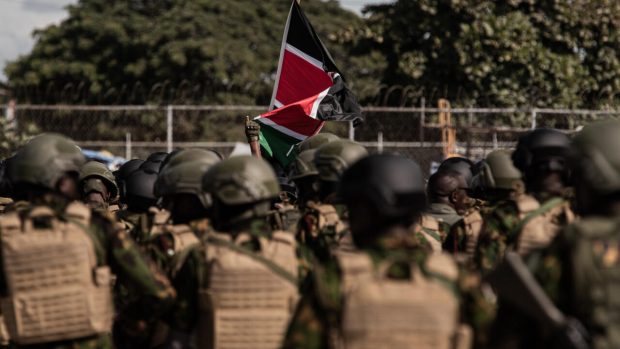
Kenya has deployed hundreds of additional police officers to Haiti as part of its multinational mission to stabilize the country, while some of its officers concluded their assignment on Monday. The deployment aims to maintain pressure on armed gangs that have long terrorized the island, particularly as Haiti’s political and security crisis continues unabated.
Criminal groups have significantly worsened instability since early 2024, when violent gangs forced then-Prime Minister Ariel Henry to resign. The United Nations estimates that these armed groups now control nearly 90 percent of the capital, Port-au-Prince. Murders, kidnappings, rapes, and looting are rampant, further straining the already fragile security situation.
In response to the escalating violence, the UN Security Council in 2023 approved a multinational police mission led by Kenya to support the overwhelmed Haitian authorities. However, the operation has faced major hurdles. The team, expected to reach 2,500 officers, has struggled with shortages, operating with just about 1,000 personnel due to limited funding and resources. These constraints have made it difficult to counter the sprawling criminal networks effectively.
On Monday, 230 additional Kenyan police officers arrived in Haiti, while 100 officers completed their tour and returned home, according to a Haitian government source who spoke to AFP on condition of anonymity. The reinforcements are part of ongoing efforts to stabilize key areas in Port-au-Prince and support Haitian law enforcement in reclaiming control over gang-dominated neighborhoods.
The Security Council also approved plans at the end of September to establish a more robust anti-gang force in Haiti, signaling renewed international commitment to tackling the crisis. Kenya’s contribution remains central to these efforts, providing training, operational support, and patrols alongside local police.
Haiti, the poorest country in the Americas, has not held national elections in nine years and remains under a transitional government. The security vacuum has emboldened criminal gangs, leaving citizens vulnerable to violence. Legislative and presidential elections are now slated for summer 2026, offering a potential turning point, but experts warn that significant improvements in security are essential for any democratic progress.
Kenya’s continued presence underscores the international community’s concern over Haiti’s deteriorating political and security situation, highlighting the urgent need for coordinated action to restore law, order and stability.
Share this:

Discover more from ULIZA LINKS NEWS
Subscribe to get the latest posts sent to your email.