uliza digital
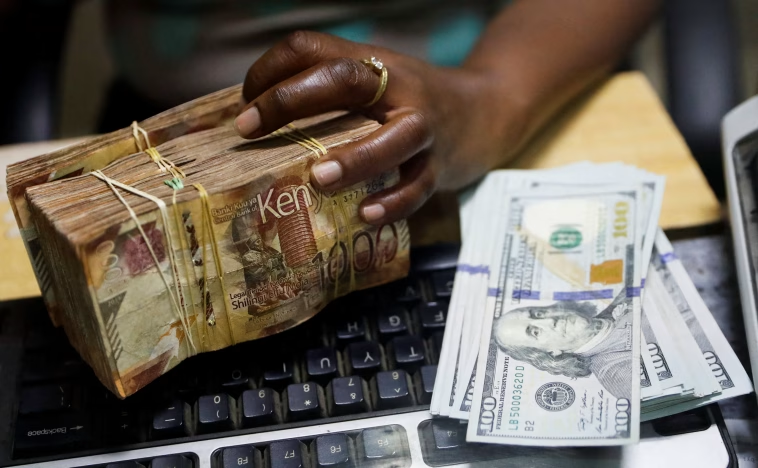
The Kenyan shilling continued to perform strongly against the US dollar and regional East African Community (EAC) currencies in January 2026. The Central Bank of Kenya (CBK) highlighted these developments in its weekly bulletin released on Friday, January 23. Analysts say the currency’s stability reflects healthy reserves and steady market activity.
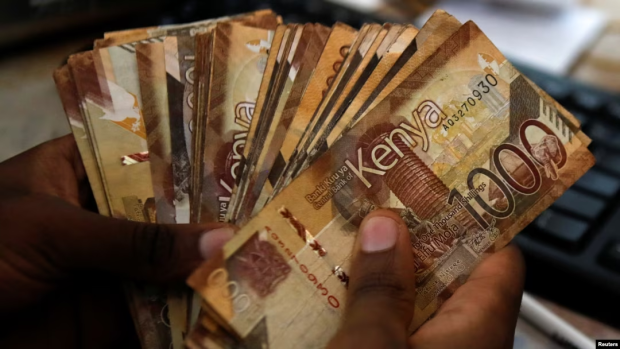
According to the CBK, the shilling exchanged at KSh 129.02 per US dollar on January 22, nearly unchanged from KSh 129.03 on January 15. In the EAC region, it traded at 27.24 against the Ugandan shilling, 19.56 against the Tanzanian shilling, 11.28 against the Rwandese franc, and 22.94 against the Burundian franc. This demonstrates the shilling’s continued dominance in the region.
During the week under review, foreign exchange reserves dropped slightly by $258 million (KSh 33.3 billion), from $12,477 million (KSh 1.61 trillion) to $12,219 million (KSh 1.57 trillion). Despite this decline, reserves remain adequate, covering 5.3 months of imports, well above the statutory minimum of four months.
In the money market, liquidity remained steady. The Kenya Shilling Overnight Interbank Average Rate (KESONIA) held at 8.98%, down slightly from 9% the previous week. However, the average interbank transaction value fell from KSh 15.2 billion to KSh 12.1 billion, while the number of trades decreased from 23 to 18.
CBK attributed the shilling’s stability to strong reserves, consistent market activity, and investor confidence. The bank’s monetary policies, guided by current lending rates, have also helped maintain exchange rate stability. Analysts note that the currency’s performance underscores Kenya’s relative economic strength in the region.
Meanwhile, the Kenya National Bureau of Statistics reported positive economic growth in Q3 2025 compared to the same period in 2024. Key sectors expanded, supporting overall economic performance and reinforcing the shilling’s resilience against global and regional currencies.
Overall, the Kenyan shilling’s performance demonstrates stability, resilience, and market confidence. Experts say continued liquidity management and robust foreign exchange reserves will be crucial to maintaining this trend in the months ahead.
Share this:

Discover more from ULIZA LINKS NEWS
Subscribe to get the latest posts sent to your email.