uliza digital

Kenya is preparing to conduct trials for its first locally manufactured vaccines by the end of 2027. This milestone comes after the completion of the first phase of enabling works for the new manufacturing plant in Embakasi. The initiative aims to strengthen vaccine security and reduce reliance on imports.
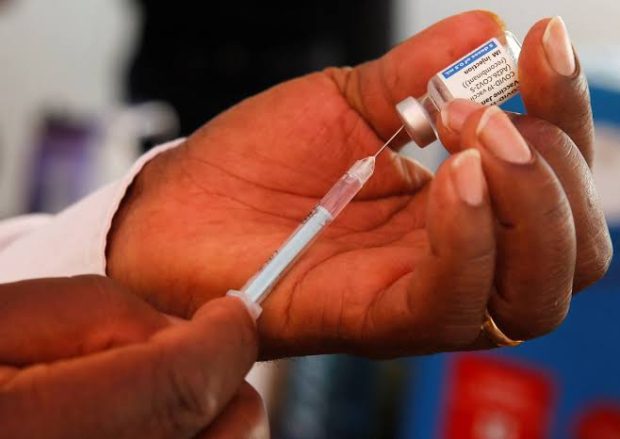
Dr Charles Githinji, chairman of the Kenya BioVax Institute board, said newborns will be the first to receive the pneumonia vaccines once production begins. The institute is working closely with the World Bank and the Korean government to ensure the plant is completed on time. Efforts to fast-track the project remain ongoing.
BioVax was established in response to challenges Kenya faced during the COVID-19 pandemic, when vaccine access was limited. Dr Githinji expressed confidence that the first trial batch will be delivered on schedule. “We have a clear strategy. By the end of 2027, we will inaugurate the first locally produced vaccines. This is a first for Kenya, and even the private sector has not achieved this,” he said.
Dr Wesley Rono, Chief Officer at BioVax, said the plant will produce six million vaccines per month, meeting global standards. This translates to 72 million vaccines annually. “Our focus will be on vaccines critical for national immunisation programs,” he added. BioVax is also engaging partners to accelerate production and ensure sustainability.
Ramesh Govindaraj, Lead Specialist in Health, Nutrition, and Population at the World Bank, noted that the project aligns with the African Union’s Agenda 2063. The goal is for Africa to produce 60% of its pharmaceutical needs by 2040. Kenya and Ethiopia are the first countries to join, with 12 countries set to benefit from USD 1.5 billion for building manufacturing plants.
With this milestone, Kenya is poised to lead Africa in local vaccine production. The Embakasi plant will not only enhance national immunisation programs but also improve health security, support regional supply, and reduce dependence on imported vaccines. This step signals a major advancement for Kenya’s healthcare sector and regional public health resilience.
Share this:

Discover more from ULIZA LINKS NEWS
Subscribe to get the latest posts sent to your email.