uliza digital
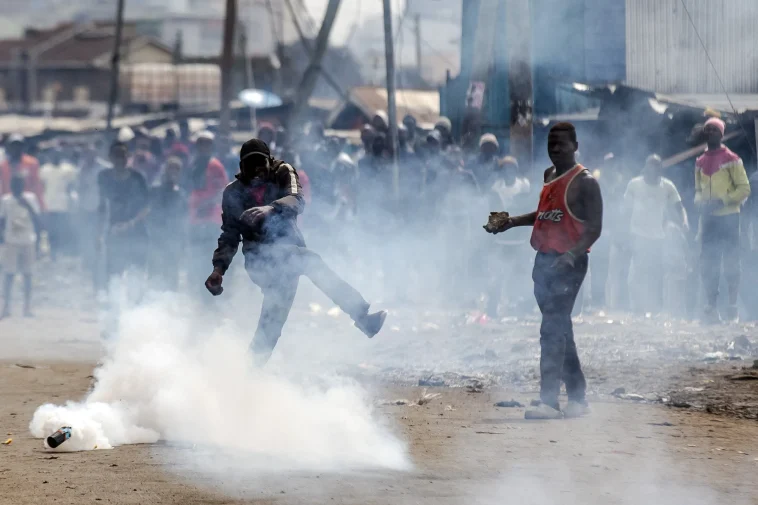
The Kenya National Commission on Human Rights (KNCHR) has compiled a list of 1,224 Kenyans eligible for compensation under a proposed national reparations framework. The list is part of the Commission’s effort to address historical human rights violations.
KNCHR said the process follows a directive from President William Ruto, issued via Gazette Notice on March 14. The President instructed the Commission to submit a comprehensive report on a reparation’s framework within 60 days. “The Commission has simultaneously been compiling a list of victims of human rights violations, which, upon verification, will be submitted to the President together with the Reparations Framework,” KNCHR said.
The verified victims include individuals or families affected by extrajudicial killings, torture, abductions, enforced disappearances, forced evictions, sexual and gender-based violence, loss of property, and loss of livelihoods. KNCHR is currently verifying the 1,224 names to ensure accuracy and fairness.
The Commission noted that outreach across the country has been limited due to funding delays. It urged the National Treasury to release funds already approved by Parliament to enable effective nationwide consultations. “The Commission continues to urge the National Treasury to release the funds allocated by Parliament without further delay, so that KNCHR can fully discharge this critical constitutional and human rights mandate,” the statement read.
To expand the process, KNCHR has invited additional victims to submit claims and supporting documents before April 3, 2026, even though it is a public holiday. Victims can submit evidence such as medical reports, witness statements, OB extracts, post-mortem reports, or any other relevant documentation. Submissions can be made at the KNCHR Head Office in Nairobi, regional offices, or online via email, WhatsApp, SMS, or the official website.
The proposed compensation is part of a Sh2 billion fund allocated by the government for verified victims of protest-related human rights violations. President Ruto confirmed the allocation during a parliamentary meeting in Nairobi on March 10, 2026. The funds will cover verified cases of extrajudicial killings, injuries, torture, sexual and gender-based violence, and loss of property and livelihoods linked to protests between 2017 and 2025.
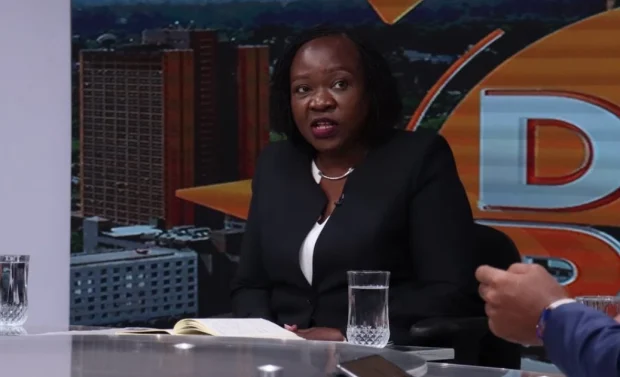
KNCHR Chairperson Claris Ogangah emphasized the importance of justice, healing, and national reconciliation. She urged victims and survivors to come forward and participate in the process.
This initiative marks a significant step in acknowledging past human rights violations in Kenya and ensuring victims receive justice and compensation.
Share this:

Discover more from ULIZA LINKS NEWS
Subscribe to get the latest posts sent to your email.