uliza digital
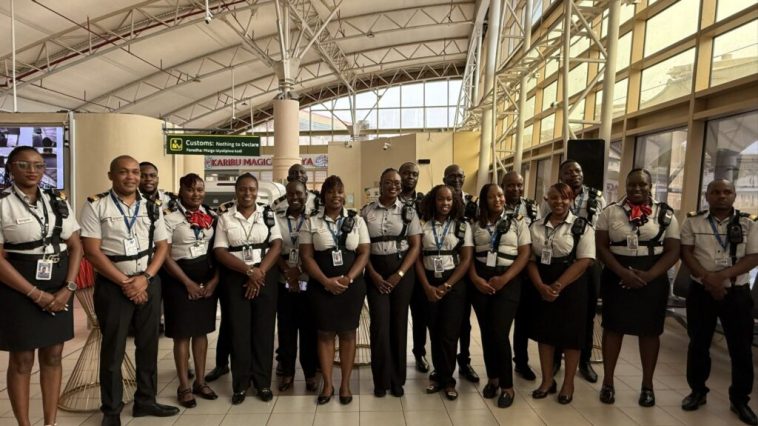
The Kenya Revenue Authority has introduced body-worn cameras for customs and border control officers in a move aimed at improving transparency during inspections at airports, seaports and land border crossings.
The tax authority says the cameras will help resolve disputes that often arise between officers, travellers and importers during baggage checks and tax assessments. In many cases, disagreements over duties charged or items declared have led to lengthy investigations.
Each officer will carry a body camera designed to record interactions during inspections. The device includes a front-facing camera that captures high-definition video and photos of what officers see during their work.
A second camera at the back allows officers to send images or make video calls to supervisors at headquarters when clarification is needed during inspections.
According to KRA, the recordings will create clear digital evidence whenever disagreements arise between customs officers and travellers.
KRA Commissioner General Humphrey Wattanga said the system marks a major step in modernising services at the country’s ports of entry.
“This initiative reinforces our commitment to transparency, professionalism, and secure borders as we continue to modernize service delivery for the public,” Wattanga said.
He noted that disputes at border points have long been difficult to resolve because there was often no clear record of what happened.
“For too long, ‘it’s been your word against mine’ has been an uncomfortable reality at border points,” the authority said in a statement.
Customs officers interact with thousands of travellers, traders and clearing agents every day. One of the busiest entry points is Jomo Kenyatta International Airport, which handles more than 20,000 passengers daily and over 8.9 million travellers each year.
With such high traffic, KRA says monitoring interactions between officers and travellers has been a major challenge.
The body cameras are expected to deter corruption and bribery since both officers and travellers will know their interactions are being recorded.
Officials say the footage will also help resolve complaints faster. Supervisors will be able to review recordings to confirm exactly what happened during inspections.
KRA added that the recordings will also be used for training officers and improving procedures at busy entry points.
The authority assured the public that all recordings will follow Kenya’s data protection laws. It said the footage will be handled according to the principles outlined in the Data Protection Act.
KRA believes the technology will make border operations more transparent, accountable and trustworthy for travellers and traders entering the country.
Share this:

Discover more from ULIZA LINKS NEWS
Subscribe to get the latest posts sent to your email.