uliza digital
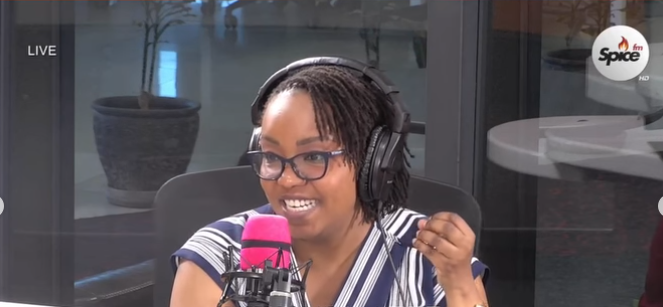
The Media Council of Kenya has faulted Spice FM for airing a nutrition discussion led by an unqualified guest, a move that resulted in the spread of misleading health information. The radio station, which is part of the Standard Group, came under scrutiny after comments made on its show caused public outrage.
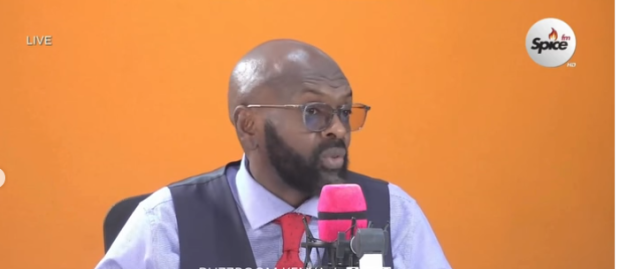
According to a statement issued on Friday, February 6, the council received an official complaint from the Kenya Nutritionists and Dieticians Institute (KNDI) over a programme broadcast on January 14, 2026. During the show, Issa Habib was presented as a nutrition specialist, even though he is not recognised or licensed by the professional body.
KNDI said Habib wrongly portrayed himself as a qualified expert. During the broadcast, he dismissed ugali as having no nutritional benefit and suggested it contributes to diabetes. The host on the show appeared to agree with him, which further fuelled concern among listeners and health professionals.
The remarks triggered strong reactions across the country, with many Kenyans defending ugali, a major food for households nationwide. Nutrition experts warned that such claims could confuse the public and influence people to make poor dietary choices.
The Media Council said broadcasters must treat health topics with seriousness and responsibility. It stressed that journalists and presenters should verify the credentials of guests who offer professional opinions, especially on issues that affect public wellbeing.
The council confirmed it has launched a formal inquiry into the Spice FM programme. The investigation will determine whether the station breached media laws and ethical standards.
KNDI reminded media outlets that only practitioners registered with the institute are allowed to give nutrition and dietetic advice in public. It pointed to the Nutritionists and Dieticians Act, which makes it illegal for unregistered individuals to provide such guidance.
The institute also warned that ignoring these rules could lead to legal consequences for both the guest and the broadcaster. It said unqualified opinions on health matters expose the public to harm and legal risk.
The Media Council said its intervention is aimed at protecting audiences and upholding professional reporting. It added that accurate health information is essential in building trust between the media and the public.
Media houses were urged to consult relevant professional bodies before hosting guests to discuss specialised subjects. The council said this would help prevent the spread of false or harmful information.
The controversy has once again highlighted the need for stronger checks in broadcast media when dealing with sensitive topics such as nutrition and public health.
Share this:

Discover more from ULIZA LINKS NEWS
Subscribe to get the latest posts sent to your email.