uliza digital
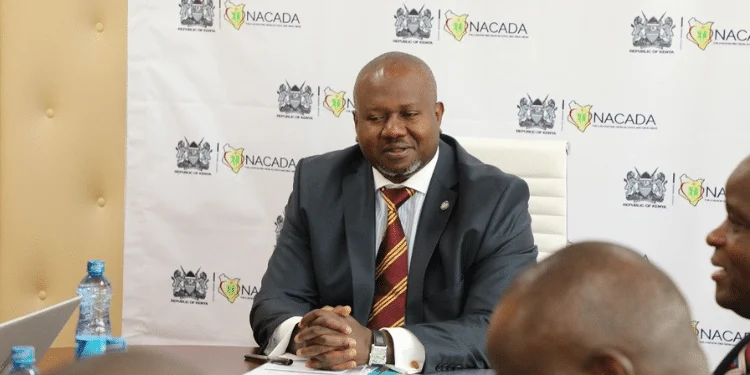
Kenya may soon see stricter rules on alcohol sales, as the National Authority for the Campaign Against Drug Abuse (NACADA) proposes sweeping restrictions. The agency is urging Parliament to ban alcohol sales in homes, residential estates, and multiple public and commercial spaces.
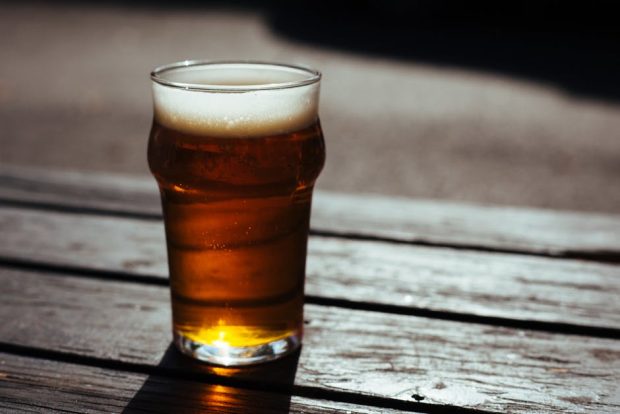
According to NACADA, the move is aimed at curbing underage drinking and reducing harmful consumption. The proposed ban would cover supermarkets, restaurants, petrol stations, vending machines, and residential areas. Public spaces like beaches, parks, amusement centres, bus parks, railway stations, ferry terminals, and major highways would also be affected.
Chief Executive Officer Anthony Omerikwa highlighted the risks of alcohol outlets near homes and schools. “Early exposure to alcohol can affect brain development and influence behaviour later in life,” he said. Omerikwa added that some children begin drinking as young as four to seven years old. He warned that allowing alcohol sales in residential areas increases early initiation, which NACADA wants to prevent.
The agency emphasized that young people are particularly vulnerable to alcohol’s effects. By reducing access in areas where children live and gather, NACADA hopes to lower early experimentation and long-term addiction risks. The policy also seeks to educate communities on safe alcohol practices and responsible consumption.
While the proposal may face resistance from commercial outlets and entertainment venues, NACADA maintains that public health must take priority. Omerikwa said the goal is not to restrict adults unnecessarily, but to protect youth from early and harmful exposure.
Experts note that countries with strict alcohol regulations, particularly around schools and residential zones, report lower levels of underage drinking and alcohol-related harm. NACADA’s initiative could position Kenya as a leader in proactive alcohol policy in Africa, focusing on prevention rather than punishment.
Parliament will review the proposed measures in the coming months. If approved, enforcement will involve collaboration between law enforcement, local authorities, and community leaders to ensure compliance and safeguard young people’s wellbeing.
The proposal signals a significant shift in Kenya’s approach to alcohol regulation, prioritizing health, safety, and the future of the nation’s youth.
Share this:

Discover more from ULIZA LINKS NEWS
Subscribe to get the latest posts sent to your email.