uliza digital

Nairobi County is moving full steam ahead with its ambitious river regeneration plans. The KSh 50 billion Nairobi River Regeneration Programme aims to restore the long-polluted river and reshape life along its corridor.
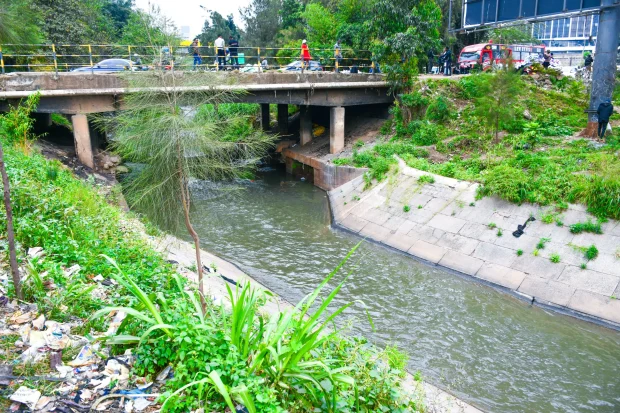
Governor Johnson Sakaja’s Cabinet approved the continued implementation of the project, which started in 2025. Officials said the programme is on track for completion in January 2027. Major infrastructure milestones have already been achieved, including the construction of a 60-kilometre trunk sewer line; the first major upgrade in decades. Riverbank stabilisation, expanded storm-water drainage systems, and rehabilitation work at the Dandora dumpsite are also underway to reduce pollution.
“The regeneration is about people as much as it is about the environment,” Sakaja said. “Safer homes, better markets, and decent livelihoods are central to this initiative.”
The programme goes beyond pipes and drains. It aims to transform social and economic life along the river corridor. Plans include green riverfront parks, pedestrian and cycling pathways, and modern markets for up to 20,000 traders. Affordable housing, wetlands for flood control, and job creation are also part of the vision. Over 40,000 young people have already joined clean-up and construction activities, gaining skills and work experience.
Sakaja emphasised that a clean river is critical for public health, livelihoods, and the city’s dignity. “The Nairobi River is being turned from a symbol of neglect into a backbone of green growth and opportunity,” he said.
The county has also set up a 60-metre riparian Special Planning Area to guide development along the river. Authorities are enforcing regulations against illegal structures and pollution while supporting residents and traders with alternative trading spaces and skills training during redevelopment. Sakaja stressed that relocations will follow social and environmental impact assessments, with decent housing solutions close to existing neighbourhoods.
Already, residents along the river are noticing improvements. Bad smells have decreased, pests are fewer, and birds are slowly returning. When complete, the project is expected to bring cleaner rivers, safer shared spaces, improved flood management, and fresh economic activity, marking a new chapter for Nairobi’s urban and environmental landscape.
The Nairobi River Regeneration Programme shows how infrastructure, social planning, and environmental restoration can work together to transform a city.
Share this:

Discover more from ULIZA LINKS NEWS
Subscribe to get the latest posts sent to your email.