uliza digital
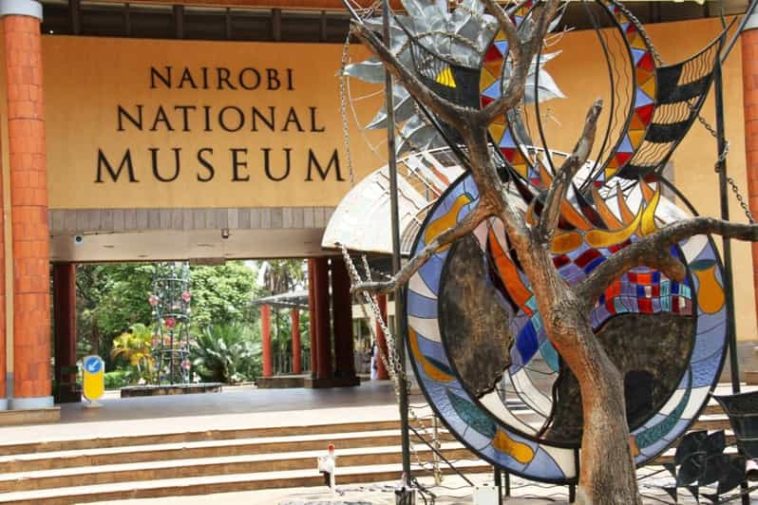
Exploring Kenya’s museums and heritage sites will soon come with a slightly higher price tag. The National Museums of Kenya has announced a new admission fee structure that will take effect on May 7, 2026. The changes are part of updated regulations under the National Museums and Heritage (Admissions Fees) Regulations of 2025. Officials say the new framework is meant to support the long-term preservation of historical sites while improving visitor services.
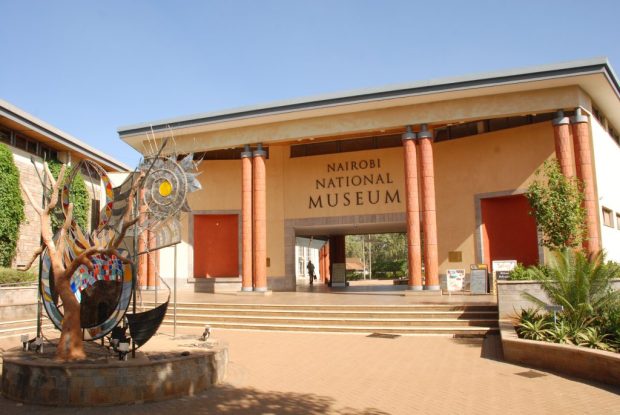
The revised pricing will affect some of the country’s most visited cultural destinations. These include the Nairobi National Museum, Snake Park, Karen Blixen Museum, and the historic Fort Jesus in Mombasa. Kenyan and East African adults visiting the Nairobi National Museum or Snake Park will now pay KSh350. Children will pay KSh200. Visitors who want access to both attractions using a combined ticket will pay KSh600 for adults and KSh300 for children.
The new rates introduce a tiered system for foreign visitors. Tourists from other African countries will pay KSh1,170 for adults and KSh780 for children. International tourists from outside Africa will face higher charges, with adults paying KSh2,340 and children KSh1,170 to enter the same sites. Authorities say the structure reflects global tourism practices where international visitors often pay higher conservation fees.
Major heritage attractions outside Nairobi will also follow the revised framework. At Fort Jesus and the Butterfly House, Kenyan and East African adults will pay KSh550, while children will be charged KSh300. A combined ticket allowing access to both locations will cost KSh650 for adults and KSh400 for children.
The new pricing also affects smaller regional heritage locations. Museums and historical sites in places such as Meru, Malindi, Kabarnet, Kapenguria, Gede Ruins, and Mtwapa will adopt standard entry charges. Adults will pay KSh200, while children will pay KSh100.
According to the National Museums of Kenya, the revised fees are meant to strengthen conservation efforts while keeping cultural spaces accessible to the public. Officials say the revenue will help maintain historical monuments, improve visitor experiences and support research that protects Kenya’s rich cultural heritage for future generations.
Share this:

Discover more from ULIZA LINKS NEWS
Subscribe to get the latest posts sent to your email.