uliza digital
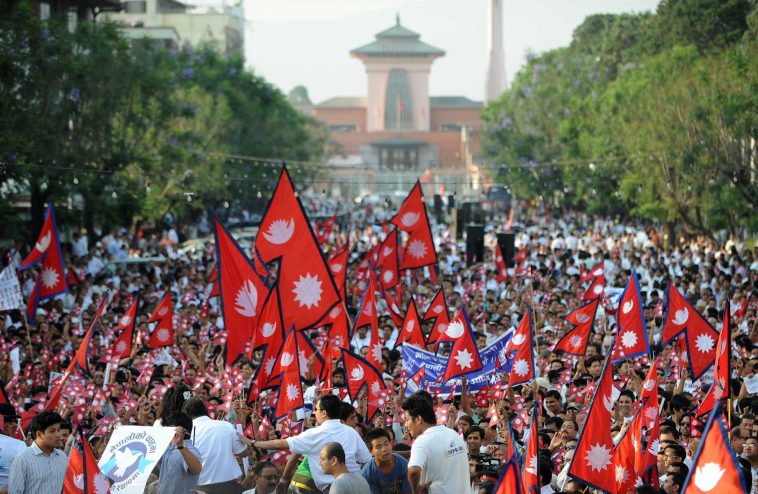
Nepal began September with hope. Many believed political change would bring stability. Instead, the violent protests that toppled the government created deeper problems. Three months later, the country is still struggling. Elections in March now carry even more weight.

The unrest started after the government briefly banned social media. Young people, mostly from the “Gen Z” movement, took to the streets. They were already angry about corruption and weak economic growth. Police tried to stop the protests, but their crackdown made the situation worse. Violence spread quickly. In just two days, more than 2,700 buildings were burned, looted or destroyed. Parliament was among them. Seventy-six people died. Thousands more were affected as chaos swept through major towns.
The economic damage has been severe. The Federation of Nepalese Chambers of Commerce and Industry estimates losses of over $278 million. Nearly 15,000 people lost their jobs. Foreign investors pulled back sharply. Investment commitments fell by 91 percent, dropping to only $14 million. Even before the unrest, Nepal faced serious challenges. The World Bank reported that 82 percent of workers were in informal jobs. One in five young people had no employment.
For many families, the crisis feels overwhelming. Kamal Gautam, a kitchen worker at the Hyatt Regency, lost his job when rioters attacked the hotel. His family depended entirely on his income. “Three months without pay,” he said in their small Kathmandu room. “I don’t know how to support my family.” Stories like his are common across Nepal.
The World Bank has revised its forecasts. It expects Nepal’s growth to fall to 2.1 percent in 2025, down from 5.1 percent. Poverty levels are also rising. Major companies such as Bhat-Bhateni, Ncell and the Chaudhary Group have suffered huge losses. Economists believe only half of the economy is operating normally.
Tourism has also taken a hit. Visitor numbers fell 18 percent in September. Hotels in Pokhara were looted or burned, causing losses of more than $20 million. Numbers improved slightly in November, but uncertainty remains.
As the March election approaches, Nepal waits for direction. Many hope the next government can restore stability and rebuild a shaken economy.
Share this:

Discover more from ULIZA LINKS NEWS
Subscribe to get the latest posts sent to your email.