uliza digital
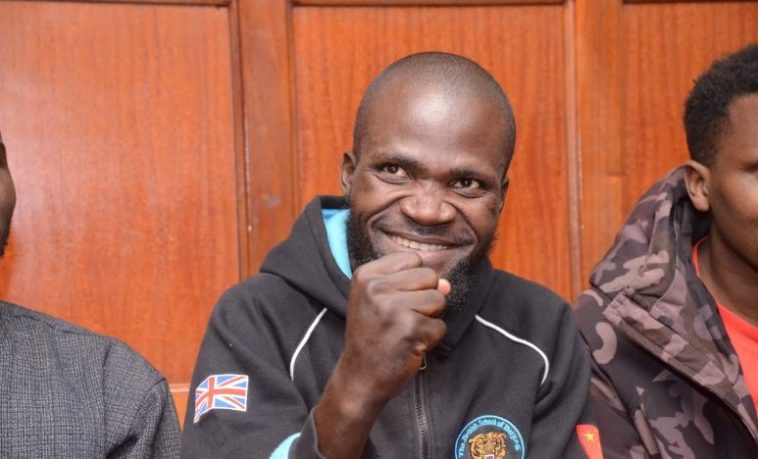
Political activist Nuru Okanga has been acquitted by a Nairobi court. He faced charges of publishing false, defamatory, and threatening content on social media. The court found that the prosecution failed to prove a prima facie case against him. Okanga was therefore cleared of all charges.
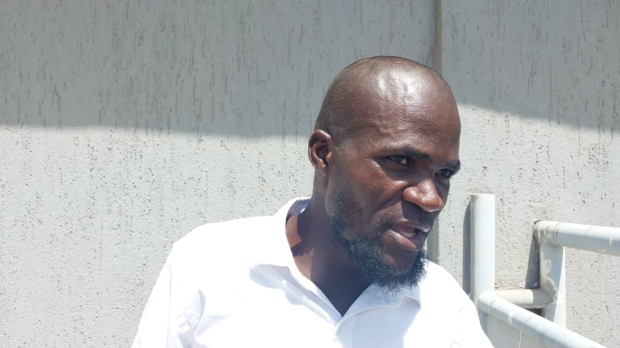
Okanga had been accused of posting a video on TikTok and other platforms. Prosecutors claimed the content threatened the Head of State. They also said it encouraged the then Deputy President to use his past experience as a District Commissioner to harm the President.
During the trial, the court found major gaps in the evidence. The investigating officer admitted he could not verify if the video was real or AI-generated. He relied entirely on a report from the Communications Authority of Kenya (CA) and did not personally analyze the video. The officer also said he could not determine if the video was political expression protected under the law.
A digital analyst testified that the video was not extracted from Okanga’s devices. He admitted the analytical tools had known errors. This raised questions about the reliability of the evidence. The court noted that no proof linked Okanga to the video. Key witnesses also failed to confirm he created or uploaded the content.
The prosecution failed to follow proper procedures for handling electronic evidence. They did not show lawful extraction or a proper chain of custody, as required by Section 106 of the Evidence Act. The magistrate said this weakened the case.
Considering the gaps in evidence and procedural errors, the magistrate ruled the prosecution did not meet the threshold for a prima facie case. “This court finds that the prosecution has not demonstrated a prima facie case against the accused person in all three counts,” the ruling stated. Okanga was acquitted under Section 210 of the Criminal Procedure Code.
Okanga was represented by lawyer and Embakasi East MP Babu Owino. Owino described the ruling as more than a legal win. “After a long year in court, Nuru walks free. Justice and hope have prevailed,” he said. He praised the defense team for their dedication.
The case underscores the importance of credible evidence, proper procedures, and protection of political expression in Kenya’s digital space. It also sends a warning about the risks of relying on weak or flawed digital evidence in legal proceedings.
Share this:

Discover more from ULIZA LINKS NEWS
Subscribe to get the latest posts sent to your email.