uliza digital
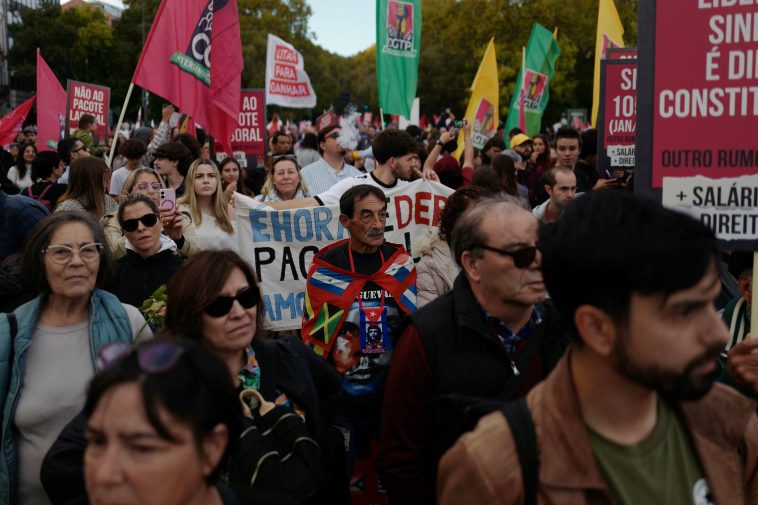
Portugal came to a near standstill Thursday. Unions launched the largest nationwide strike in more than a decade. Airports, train stations, hospitals, schools and courts all faced major disruption. Lisbon’s main train station was almost empty. Most services were cancelled. TAP Air Portugal called off nearly two-thirds of its 250 daily flights. Refuse collection stopped in many areas. Non-urgent hospital services were suspended. Schools and courts were also affected.
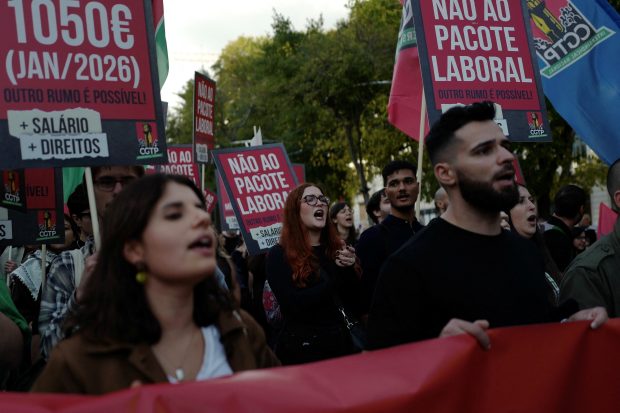
Unions say the right-wing minority government wants to simplify firing procedures. They also say it plans to extend fixed-term contracts and expand minimum services during strikes. CGTP secretary-general Tiago Oliveira called the reforms “among the biggest attacks on the world of work.” He said the measures would “normalise job insecurity” and make dismissals easier. He added that about 1.3 million of Portugal’s five million workers are already in insecure jobs.
Prime Minister Luis Montenegro defended the reforms. He said the 100-plus measures aim to “stimulate economic growth and improve salaries.” He asked citizens to keep daily life running. “The rights of some must not infringe on the rights of others,” he said. Montenegro’s party lacks a parliamentary majority. But support from liberals and the far-right could push the reforms through. Critics on the left say the government hid its plans to reduce workers’ rights during the last elections.
Public support for the strike is strong. A survey found 61 percent of people back the walkout. Oliveira said the strike had already succeeded. It drew attention to the reforms ahead of the presidential election in early 2026.
Portugal’s economy shows about 2 percent growth and unemployment near 6 percent. Montenegro says the country must act while conditions are favourable. Armindo Monteiro, head of the employers’ confederation CIP, condemned the strike. He said the draft law is only a “basis for discussion” to correct previous labour policy imbalances.
Empty streets, quiet stations and closed offices marked the day. The strike signals strong worker opposition. It also shows the challenge the government faces in advancing controversial reforms.
Share this:

Discover more from ULIZA LINKS NEWS
Subscribe to get the latest posts sent to your email.