uliza digital
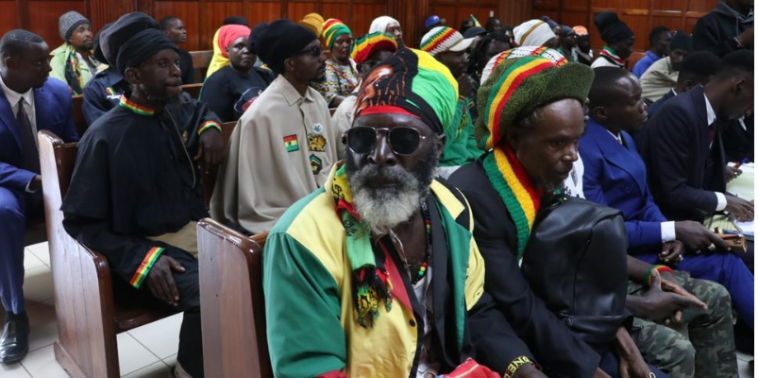
Members of the Rastafarian community have gone to court to defend their religious use of cannabis. They argue that the plant plays a key role in their faith and spiritual practices. The group told the High Court of Kenya that laws banning the private use of cannabis interfere with their constitutional right to freedom of religion.
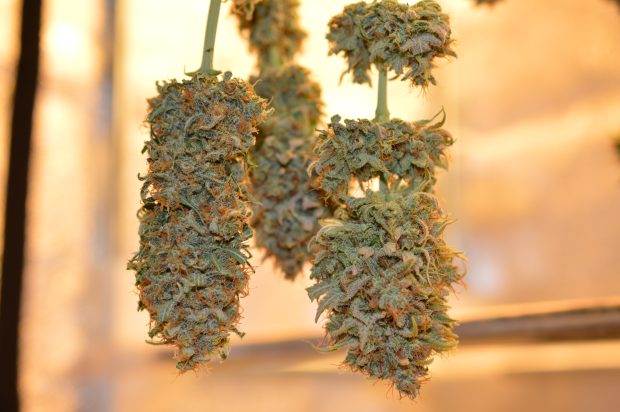
According to the petitioners, cannabis is not used for entertainment but for worship and meditation. They say the herb helps members focus during prayer and reflection. A member of the community told the court that the plant has long been part of Rastafarian traditions.
“This plant has so many names. I have used it personally and in our place of worship,” the witness told the court. The member added that both men and women in the community take part in the practice, but children are strictly not allowed.
The court heard that Rastafarians practise what they call “reasoning,” a form of spiritual discussion and meditation. During these sessions, members gather to talk about social issues and reflect on solutions to problems affecting society. The herb may be used during such gatherings to support concentration and spiritual focus.
The witness also explained that the practice is not limited to group worship. Some members choose to meditate privately at home. “Personally, I use it at home. Not all the time we meet,” the witness said, adding that individuals may use it during prayer when they are alone.
Community leaders told the court that there are strict guidelines governing the practice. Only adults above the age of 18 are allowed to participate. They must also possess national identification and understand the purpose of the ritual.
“As Rastafarians, you must be above 18 years, have an ID and know what you want to achieve in life,” the member stated. The witness also said the community operates under a constitution that guides members’ behaviour and protects their welfare.
Despite these guidelines, the community says its members often face discrimination and legal problems. Some say they have been arrested and charged with drug-related offences even when the herb was being used for religious purposes.
“We have been affected by being isolated by our relatives and being arrested and taken to court,” the witness told the judge.
The petitioners argue that cannabis is viewed in their faith as sacred. “We recognise the plant as holy and as a gift from God,” the witness said.
Through their lawyers, the community told the court that several countries have already introduced policies recognising cultural or religious use of cannabis. The judges must now decide whether Kenya’s current laws violate the religious rights of Rastafarians.
Share this:

Discover more from ULIZA LINKS NEWS
Subscribe to get the latest posts sent to your email.