uliza digital
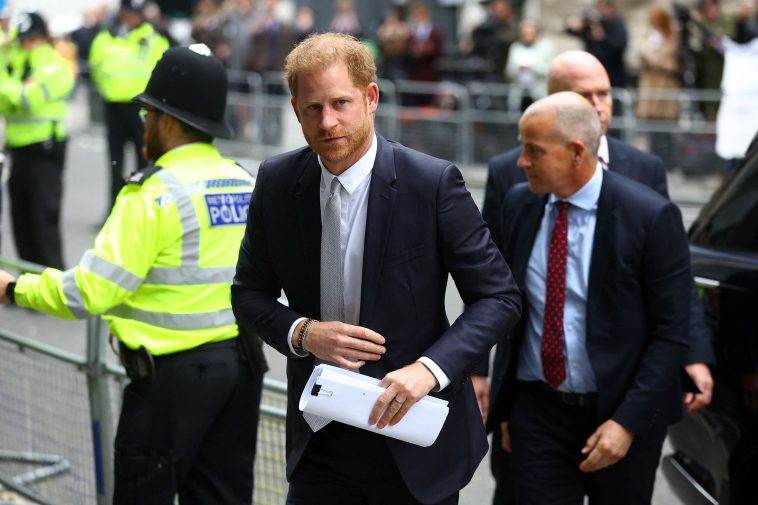
Prince Harry is back in court. He is fighting some of the UK’s biggest tabloids. The case focuses on phone hacking and secret surveillance. It is being heard at the High Court in London.
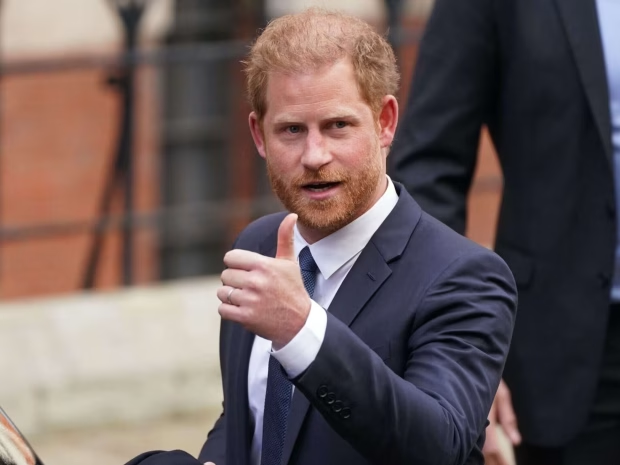
Seven well-known figures are involved. They accuse Associated Newspapers Ltd (ANL) of invading their privacy. ANL publishes the Daily Mail and Mail on Sunday. The claimants say journalists used illegal methods to get private information. They mention voicemail hacking. They also mention listening to calls. They further claim private investigators were paid.
The alleged actions happened over many years. They range from the early 1990s to 2018. According to the claimants, this was not random. They say it was organised. They argue it was a system.
However, ANL has denied all the claims. Its lawyers told the court the stories came from legal sources. They said reporters followed professional rules. They added that the information was obtained through open channels. They insist there was no hacking.
ANL also said the claims are unrealistic. They argue many journalists cannot lie together for years. They called the allegations weak. They said there is no solid proof.
Meanwhile, the claimants disagree. Their lawyer said the publisher hid the truth. He said the company knew what was happening. He argued the court will expose unlawful behaviour.
Prince Harry attended court in person. He may take the stand soon. If he does, it will be historic again. In 2023, he became the first senior royal in over 100 years to testify in court.
This is Harry’s final case against the media. He has already won one case. That was against Mirror Group Newspapers. He also settled with Rupert Murdoch’s UK publisher. He received large damages.
Harry says the fight is about justice. He says it is not just for him. He wants to protect others. He also links the media to his mother’s suffering. Princess Diana died in 1997. She was chased by paparazzi.
If the claimants win, the damages could be high. The trial will last several weeks. The ruling could change British media. It could force stricter rules. It could also shape future journalism in the UK.
Share this:

Discover more from ULIZA LINKS NEWS
Subscribe to get the latest posts sent to your email.