uliza digital
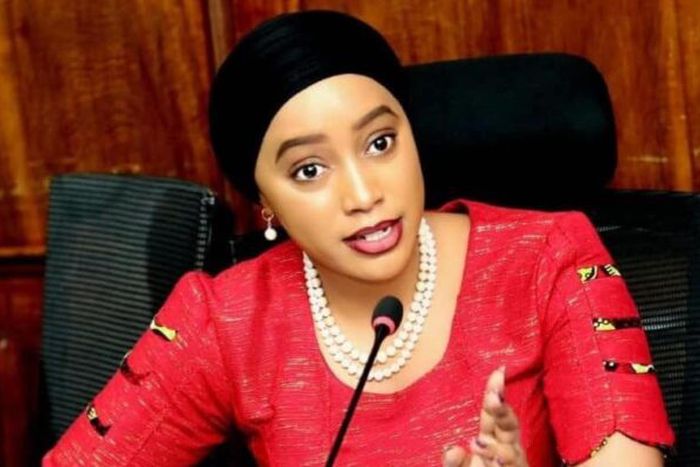
Senator Hezena Lemaletian has taken a bold stand, refusing to retract claims of threats to her life, shining a spotlight on the challenges women face in Samburu politics. Her refusal comes amid a demand letter from Narok South MP Steve Ltumbesi, which her legal team has dismissed as politically motivated.
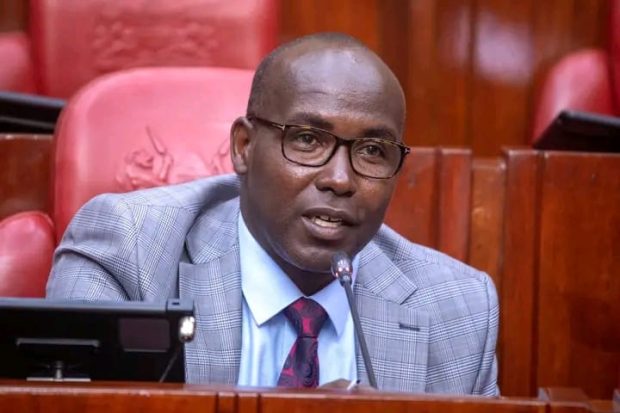
Lawyers from Danstan Omari & Associates Advocates and Martina Swiga said Hezena reported threats she received in the interest of her personal safety and public accountability. They argued that the senator is facing gender-based attacks designed to intimidate her and undermine her position as a young woman in leadership. “Our client categorically denies all allegations in the demand letter. It is calculated to silence her and undermine her politically,” they said.
The senator’s nomination to the Samburu seat was backed by the late opposition leader Raila Odinga, breaking historical norms in a county traditionally dominated by male leaders. Her legal team says this triggered resentment and opposition from some local politicians, highlighting systemic barriers women face when entering politics.
Ltumbesi, for his part, rejected allegations that he is behind any harassment or discriminatory actions. He maintained that Samburu has a history of supporting women leaders, pointing to consecutive terms of female MPs in single-member constituencies. He said Hezena’s claims are being used to gain political attention.
Observers say the standoff underscores the wider issue of women navigating politics in traditionally patriarchal regions. It highlights the tension between emerging female leaders and established male politicians, often resulting in public confrontations and legal disputes.
Hezena’s lawyers have warned that any interference or attempts to intimidate her during the ongoing investigation would be unlawful. The senator herself remains resolute, asserting her right to safety, political participation, and equal treatment under the law.
The case has sparked public debate about gender equality in politics, the treatment of women leaders, and the need for structural reforms to protect emerging politicians from harassment, discrimination, and intimidation in Kenya’s counties.
Share this:

Discover more from ULIZA LINKS NEWS
Subscribe to get the latest posts sent to your email.