uliza digital
Somalia’s parliament has approved a constitutional amendment that lengthens the time the president and lawmakers can remain in office. The decision also delays the country’s upcoming elections, pushing the timeline back by about a year.
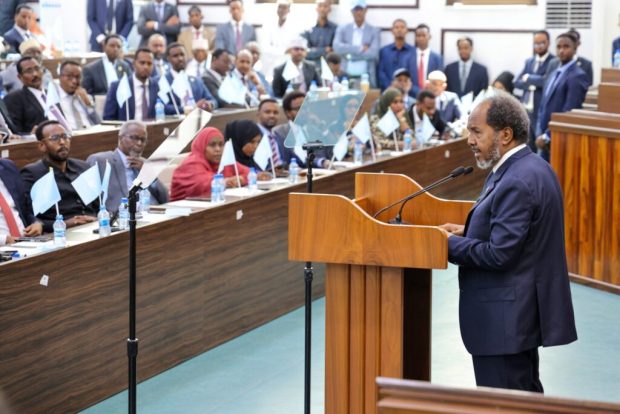
The vote took place during a joint sitting of the lower house and the senate. A total of 222 legislators supported the amendment out of 329 members. The change increases the term for both the president and parliament from four years to five years.
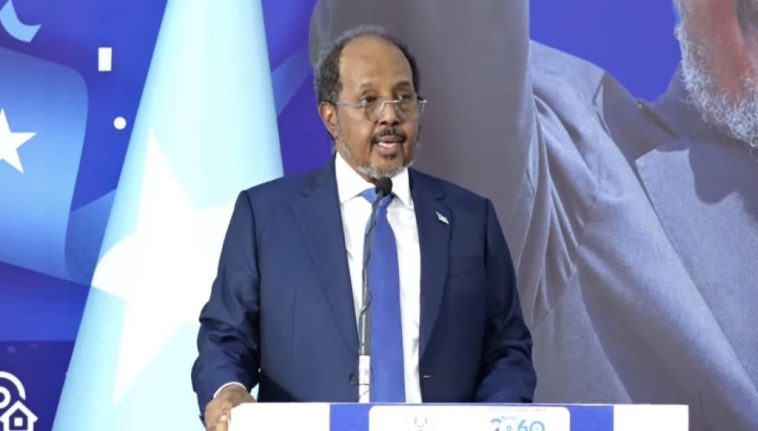
President Hassan Sheikh Mohamud welcomed the decision, saying it marks an important step in completing Somalia’s long-delayed constitutional reforms. Speaking to reporters after the vote, he described the moment as significant for the country’s political system. “Today is a historic day for it is the official completion of the constitution which had dragged for a long period,” he said.
The amendment also changes the election timetable. Earlier plans indicated that lawmakers would be directly elected in 2026, while the president would still be chosen by parliament. With the new extension, those elections will now take place later than originally expected.
Somalia has faced political instability for decades following the collapse of its central government in 1991 after the removal of former ruler Mohamed Siad Barre. Since then, the country has struggled with weak institutions, political rivalries and recurring security challenges.
Although the government has regained control in many areas with the support of African Union peacekeeping forces, militant group Al-Shabaab still operates in parts of the country. The group continues to launch attacks in major towns and rural regions.
Supporters of the amendment say extending the terms will give the government more time to complete political reforms and strengthen state institutions. They argue that stability is necessary before major national elections can be held.
However, the move has angered several opposition leaders. Some prominent politicians, including former presidents and former prime ministers, have rejected the amendment. They insist the country should stick to the earlier election schedule.
Opposition groups are calling for the planned elections to be held in May as originally expected. The disagreement adds new tension to Somalia’s already complex political landscape.
Share this:

Discover more from ULIZA LINKS NEWS
Subscribe to get the latest posts sent to your email.