uliza digital
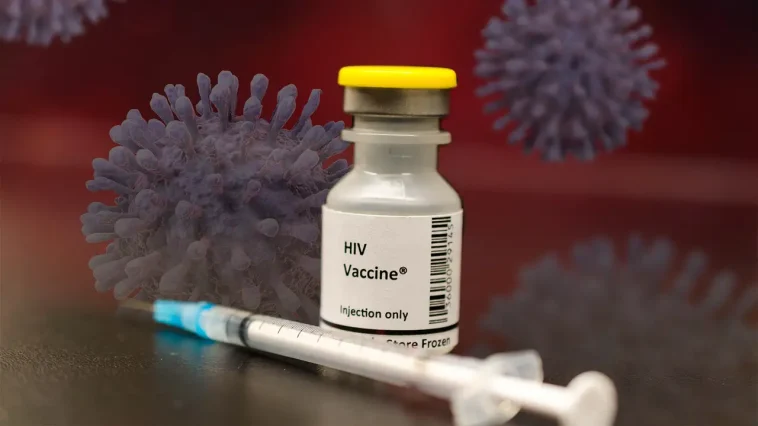
South Africa has begun the first human trial of a locally developed HIV vaccine. The study, called BRILLIANT 011, is taking place at the Desmond Tutu HIV Foundation in Cape Town.

The vaccine is designed and led by African scientists. It represents a major step in the fight against HIV, a disease that continues to affect millions across South Africa and the broader region.
The trial will test whether the vaccine is safe for humans. Researchers will also monitor whether it triggers an immune response that can help the body fight HIV.
“This is a historic moment for African science,” said a lead researcher. “We are testing a vaccine made by African scientists, for Africa, with the hope of creating a solution that truly works for our people.”
Participants in the BRILLIANT 011 study have been carefully selected. All volunteers will undergo regular health checks. Scientists will closely track side effects and immune reactions throughout the trial.
HIV remains one of the leading public health challenges in South Africa. Despite progress in treatment and prevention, the country still has one of the highest HIV infection rates in the world. A locally developed vaccine could be a game-changer in reducing new infections.
The vaccine was developed through years of research at South African institutions. Researchers say it is tailored to the strains of HIV most common in the region. This local approach sets it apart from many international vaccine candidates.
The BRILLIANT 011 trial is expected to provide critical data on safety and immune response. If successful, it could lead to larger trials involving more participants.
Experts say the initiative highlights the growing role of African scientists in addressing health challenges that disproportionately affect the continent. They emphasize the importance of innovation, collaboration, and local leadership in medical research.
South Africa’s first human trial of a homegrown HIV vaccine marks a major milestone in the fight against the epidemic. Researchers, participants, and the public are hopeful that it could pave the way for an effective, locally relevant solution to HIV.
Share this:

Discover more from ULIZA LINKS NEWS
Subscribe to get the latest posts sent to your email.