uliza digital
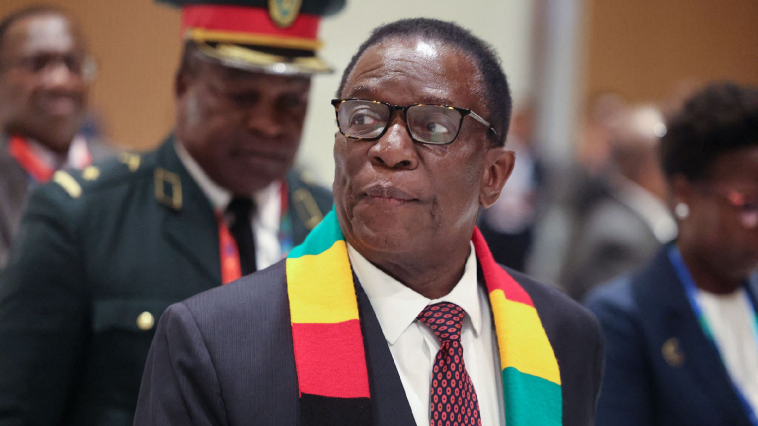
Zimbabwe has terminated discussions with the United States over a proposed $350 million health support package. President Emmerson Mnangagwa instructed officials to withdraw from the negotiations, arguing that the draft agreement posed risks to the country’s independence and strategic interests. The decision brings an abrupt end to months of policy engagement between the two governments.
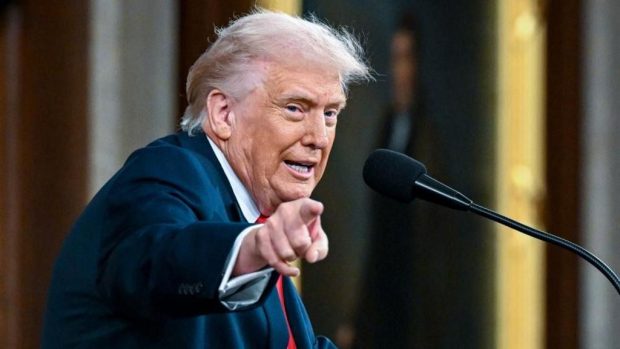
According to senior officials, the concerns were not limited to funding terms. Zimbabwe reportedly objected to provisions that would grant the US broad access to national health data. Authorities feared that such access could compromise confidential information and weaken domestic control over sensitive systems. The government maintained that public health cooperation should not require extensive external oversight.
Further tension emerged over claims that the broader framework included expectations related to Zimbabwe’s mineral sector. Negotiators were uneasy about linking healthcare assistance to access to natural resources, viewing it as an overreach. Analysts say this reflects growing sensitivity among African governments about how development financing intersects with economic influence.
Zimbabwe’s move could have practical consequences. The country has historically benefited from American-backed support in HIV treatment and other public health initiatives. Withdrawing from negotiations may create funding gaps unless alternative partnerships are secured. However, officials appear confident that safeguarding sovereignty outweighs short-term financial considerations.
The development highlights a wider continental debate. African states are increasingly cautious about agreements that combine financial aid with strategic conditions. Issues such as data protection, resource ownership, and policy independence are now central to diplomatic negotiations.
By stepping away from the proposed deal, Harare has signaled that future partnerships must align strictly with national priorities. The message from President Mnangagwa’s administration is firm: cooperation is welcome, but not at the expense of control over critical assets and information.
Share this:

Discover more from ULIZA LINKS NEWS
Subscribe to get the latest posts sent to your email.