uliza digital
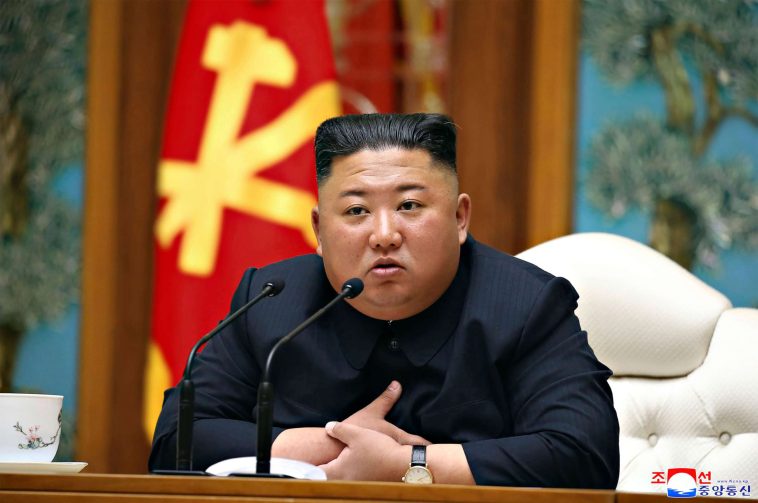
Kim Jong Un has secured another term at the top of North Korea’s power structure. The decision was announced following a session of the Supreme People’s Assembly, the country’s highest state body. Officials described the outcome as a clear reflection of national unity, saying it showed the “unanimous will” of the people.
Yet the outcome was never in doubt. In North Korea, leadership votes follow a script. There is no competition. No alternative candidates. Analysts say the process exists to reinforce authority rather than test it. Political expert Lee Ho-ryung called it “a highly choreographed event with a pre-determined outcome,” highlighting how such moments are designed to project order and control.
The voting figures underline this reality. Turnout was reported at nearly 100 percent. Approval rates were just as overwhelming. Citizens were given a simple choice: accept or reject a single name on the ballot. In practice, rejection is almost nonexistent. The system leaves little room for dissent, making the exercise more symbolic than democratic.
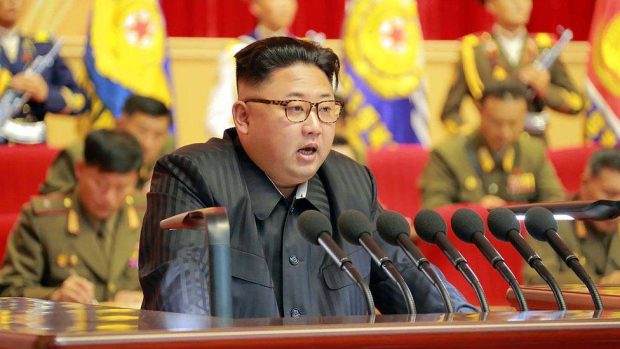
Visuals from the assembly added another layer of meaning. Kim was placed at the center of the hall, dressed formally and surrounded by senior officials. Behind him stood the towering images of Kim Il Sung and Kim Jong Il. The message was clear. Leadership is not just political; it is inherited and preserved across generations.
Still, this gathering may carry signals beyond ceremony. Observers are watching for any shift in how Pyongyang frames its relationship with South Korea. Changes in language could hint at a harder stance ahead. The assembly, while predictable in outcome, often serves as a stage for setting future direction.
In the end, the reappointment changes little. Power remains firmly in Kim’s hands. The process simply reaffirms a system where leadership is steady, controlled and rarely challenged.
Share this:

Discover more from ULIZA LINKS NEWS
Subscribe to get the latest posts sent to your email.