uliza digital
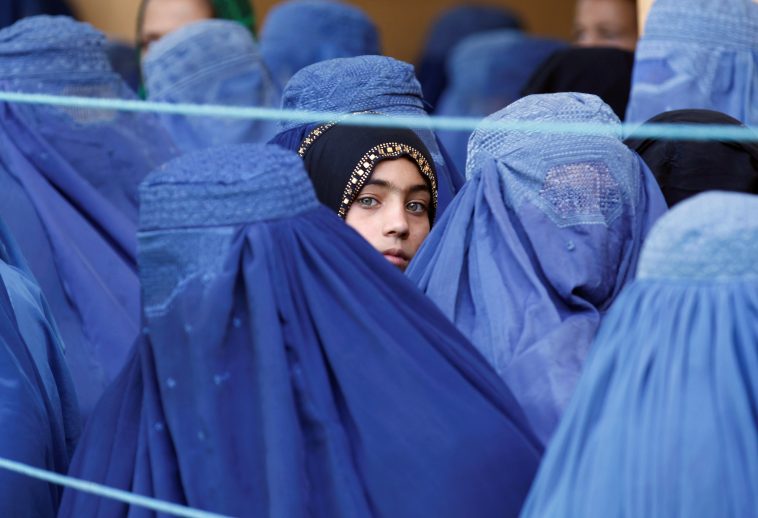
The Taliban has introduced a new criminal code in Afghanistan that permits husbands to physically punish their wives under so-called “tazeer” measures. The law, signed by Supreme Leader Hibatullah Akhundzada, sets vague limits, allowing beatings as long as they do not result in fractures, open wounds, or visible bruises.
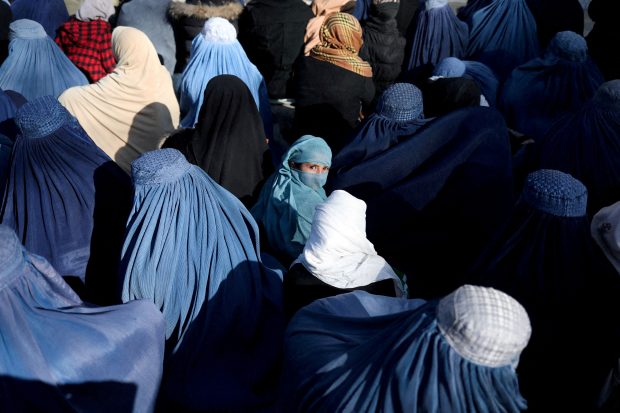
Rights groups have condemned the move, calling it a legal endorsement of domestic violence. Organizations like Rawadari argue the law treats women as property, reducing their rights and freedoms. Critics say the legislation codifies gender-based oppression and strips women of the protections they previously had under Afghan law.
The code includes a limited penalty system. If a husband uses “obscene force” that leaves visible injuries or broken bones, and the wife proves it in court, he faces up to 15 days in jail. Lesser forms of abuse face no automatic punishment. Advocates warn this creates a legal environment where minor violence is effectively sanctioned.
Women seeking justice face enormous challenges. The law requires them to show injuries, often while fully covered, which makes documenting abuse extremely difficult. Many fear retaliation or social stigma, meaning cases rarely reach courts. Experts say this legal framework will embolden abusers and make accountability nearly impossible.
The international community has reacted with outrage. Human rights organizations and foreign governments have criticized the Taliban for rolling back women’s rights. The law is seen as a stark example of how the group is reversing progress made over the past two decades in Afghanistan.
Observers warn that the criminal code could have wider social consequences. By normalizing violence within households, the law may deepen gender inequality and entrench patriarchal norms. Women’s advocates are calling for urgent international attention to protect Afghan women from systemic abuse under the new legal regime.
This development marks a major setback for women’s rights in Afghanistan. It underscores the ongoing struggle for equality in a country where legal systems can reinforce discrimination. Critics say the world must continue monitoring and pressuring the Taliban to respect basic human rights.
Share this:

Discover more from ULIZA LINKS NEWS
Subscribe to get the latest posts sent to your email.