uliza digital
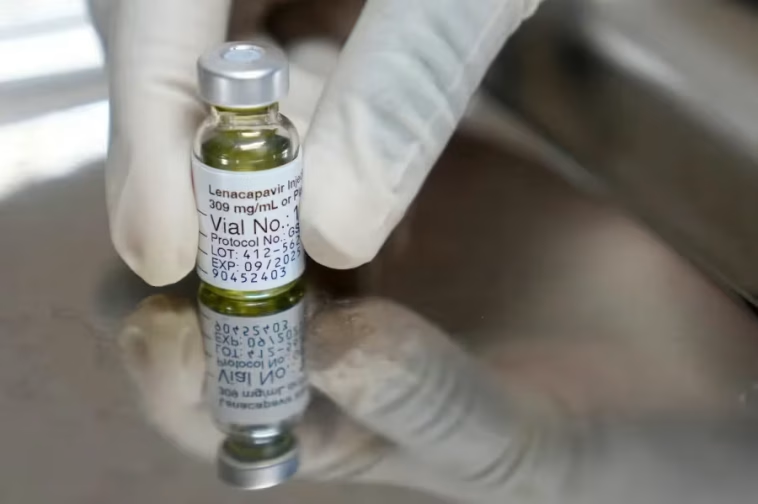
Kenya has unveiled a new weapon in the fight against HIV. The Ministry of Health has launched Lenacapavir, a long-acting injectable designed to prevent HIV infection. The rollout ceremony took place at Riruta Health Centre in Nairobi. Health Cabinet Secretary Aden Duale led the event, calling it a turning point in prevention efforts.
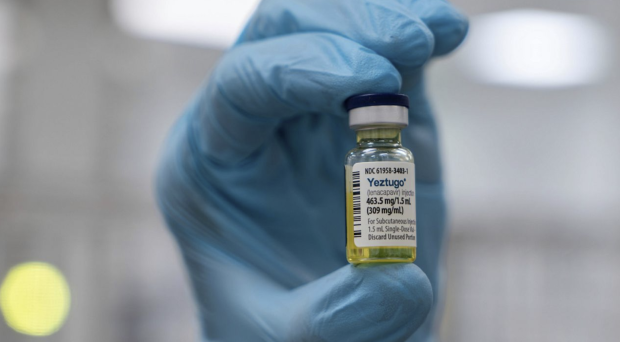
The injectable is administered only twice a year. It will be offered free of charge to eligible individuals in selected public facilities. The government says the move aims to reduce new infections and protect those at higher risk. Kenya becomes the first country in East Africa to introduce the drug, placing it among early adopters globally.
Duale described the launch as a major milestone. He noted that about 1.4 million Kenyans are living with HIV. Thousands of new infections are still recorded annually. “Expanding innovative prevention options is critical,” he said, stressing the need to reverse transmission trends and safeguard vulnerable groups.
The Ministry confirmed that the medicine passed all required regulatory checks. Safety and quality assessments were conducted through international scientific review. Local evaluation was also carried out by the Pharmacy and Poisons Board. The process received support from the Global Fund. Officials say the approval followed strict national laws and health guidelines.
Distribution will follow a phased plan. Trained healthcare workers will administer the injection. Priority counties have been identified for the first phase. Authorities say the structured rollout will ensure safe and equitable access.
The launch drew senior health officials and partners. Principal Secretary for Medical Services Dr. Ouma Oluga attended. NASCOP CEO Dr. Andrew Mulwa and Family Health Director Dr. Issak Bashir were present. Dagoretti North MP Beatrice Elachi also joined the event. Representatives from the Global Fund, UNAIDS, WHO, the US Government and AHF showed support.
Kenya’s decision signals confidence in its health systems. It also reflects growing global backing for innovative prevention tools. Health leaders hope the twice-yearly shot will boost adherence, reduce stigma linked to daily pills, and move the country closer to ending new HIV infections.
Share this:

Discover more from ULIZA LINKS NEWS
Subscribe to get the latest posts sent to your email.