uliza digital
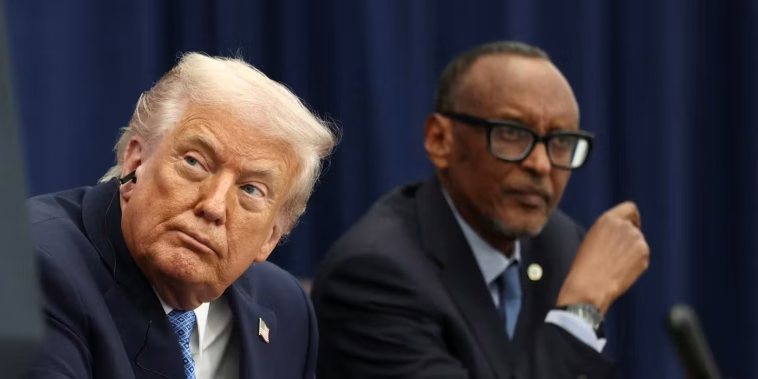
Relations between the United States and Rwanda are under fresh pressure. Lawmakers in Washington are pushing for tougher action. They accuse Kigali of fueling the conflict in eastern Congo. The debate is now gaining speed.
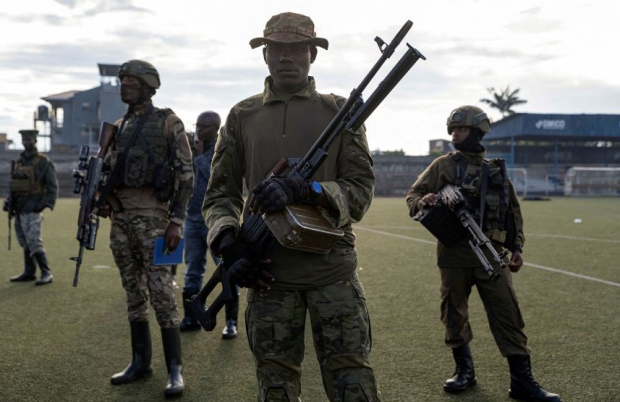
At the center of the storm is the M23 rebel group. The fighters have taken large areas of eastern Democratic Republic of Congo. They also captured key towns. As a result, thousands of civilians have fled. Many now live in fear.
Last year, the United States tried to calm the crisis. It helped broker a peace deal between Rwanda and Congo. The agreement was signed in Washington. It raised hopes for stability. However, those hopes did not last. Days later, M23 seized the city of Uvira. The move shocked diplomats. It also angered U.S. lawmakers.
On January 22, a House Foreign Affairs subcommittee met to discuss Rwanda. Both Democrats and Republicans supported new sanctions. They said Rwanda must be held responsible. They also said peace in the Great Lakes region is at risk.
Rwanda strongly denies backing M23. Kigali says it only acts to protect itself. Officials point to armed groups in eastern Congo. They say these militias include people linked to the 1994 genocide. According to Rwanda, these groups still threaten its security.
President Paul Kagame has repeated this claim. He says Rwanda will not wait to be attacked. He also says the country must rely on itself. He warns that foreign allies can change. Therefore, Rwanda must stay strong and independent.
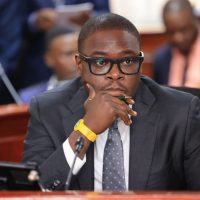
Still, Rwanda’s position is shifting. At the U.S. hearing, Rwanda’s ambassador made a rare admission. Mathilde Mukantabana said Rwanda coordinates on security with M23 and its political wing. She said this is done to prevent a new cross-border war. She also said it is meant to protect Rwanda’s survival.
That statement surprised many. It added to the pressure on Kigali. United Nations experts have long said Rwanda plays a role in the conflict. They point to troop movements and weapons. Rwanda denies direct involvement. Yet doubts remain.
Meanwhile, the humanitarian crisis grows. Villages have been emptied. Schools have closed. Aid groups struggle to reach people. The fighting shows no sign of slowing.
Now Washington faces a hard choice. It wants peace in Congo. It also values Rwanda as a regional partner. Sanctions could change the relationship. They could also reshape the region’s future.
For now, the tension continues. Diplomacy is being tested. The coming weeks may decide whether pressure brings peace or deepens the divide.
Share this:

Discover more from ULIZA LINKS NEWS
Subscribe to get the latest posts sent to your email.