uliza digital
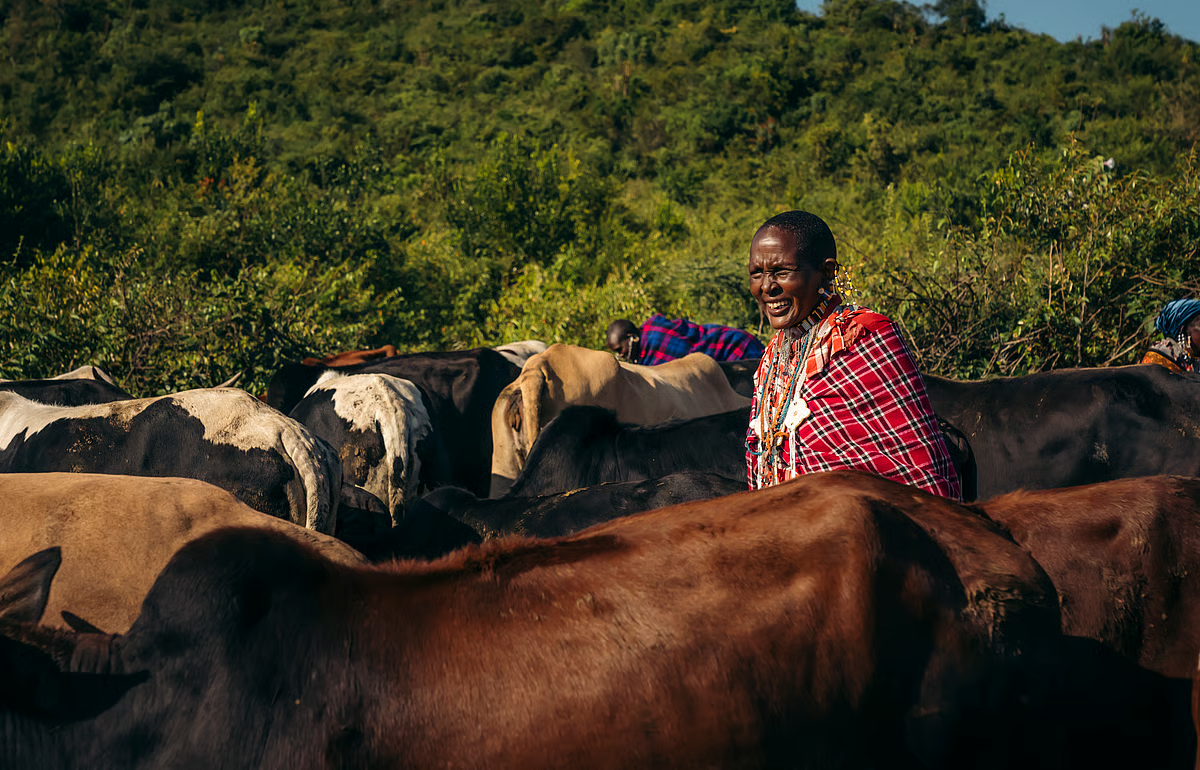
Maasai communities in northern Tanzania are increasingly worried about a carbon credit project connected to Volkswagen. Many fear the plan could disrupt their grazing traditions and weaken their control over ancestral land. Critics also say the scheme may allow the company to continue polluting elsewhere while claiming environmental progress.
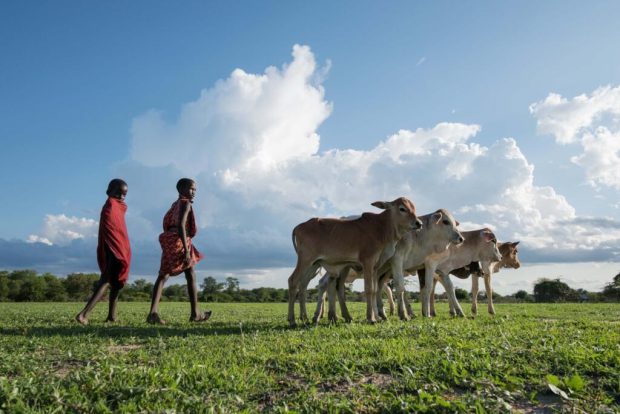
The project encourages herders to use strict rotational grazing. Grass would be left to grow longer and store more carbon in the soil. Volkswagen would then buy carbon credits from the project to offset its own emissions. However, many researchers and environmental groups question whether such offsets truly reduce global pollution. They argue that the emissions should be cut at the source, not compensated through distant land-use changes.
The initiative is being run by Soils for the Future Tanzania (SftFTZ). It covers the Longido and Monduli districts, an area of nearly 16,000 square kilometres. Herders are being offered around $2 per hectare under contracts that last up to 40 years. The deal requires cattle to be moved every two weeks. Some residents see the payments as welcome income. Others believe the long-term risks are too great.
For Namnyak, a 33-year-old mother of three in Longido, the idea feels unnecessary and dangerous. She says the Maasai have guided grazing patterns based on seasons and rainfall for centuries. This traditional knowledge ensures grass can regrow and livestock survive drought periods. She fears signing contracts could one day limit their freedom or open the way for land loss. “This land feeds our cattle, our crops and our children,” she says. “Money cannot replace that.”
Similar concerns have appeared elsewhere. A 2023 study by Survival International examined a related carbon project in Kenya. The report found that the promised grazing changes were rarely followed. Vegetation continued to decline. It questioned whether the carbon benefits claimed were real.
Verra, the main organisation that certifies carbon credit projects, recently suspended credits from a forestry project in Zimbabwe involving Volkswagen. It said the climate benefits were overstated. Verra has not yet audited the Tanzania project.
Some activists call the plan “greenwashing.” Maasai lawyer Joseph Oleshangay says the community is being misled. He asks why such schemes are not implemented in European cities if they are so effective.
For many in Longido and Monduli, the message remains firm. The land is life. And they will not trade it.
Share this:

Discover more from ULIZA LINKS NEWS
Subscribe to get the latest posts sent to your email.