uliza digital
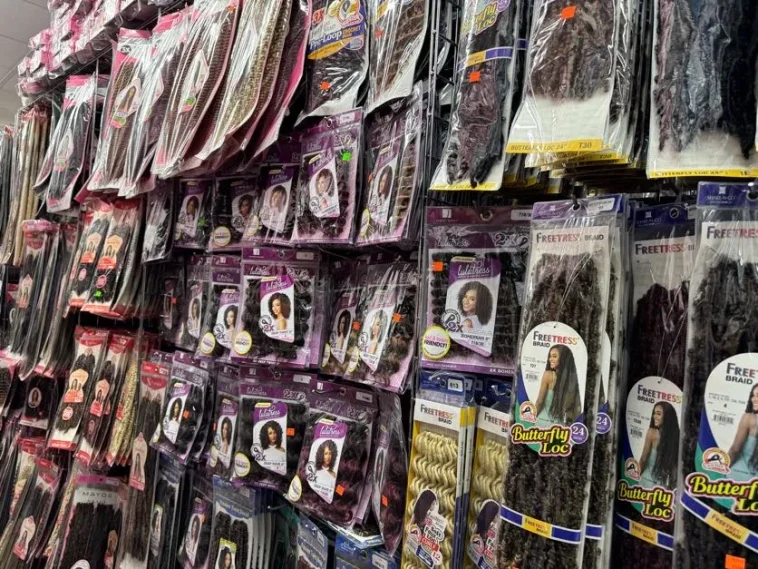
A new laboratory analysis is raising alarm over synthetic hair extensions commonly used for braiding and protective styles. Researchers found that many of the products tested contain chemicals linked to cancer and hormone disruption. The findings are renewing debate about product safety in the beauty industry.
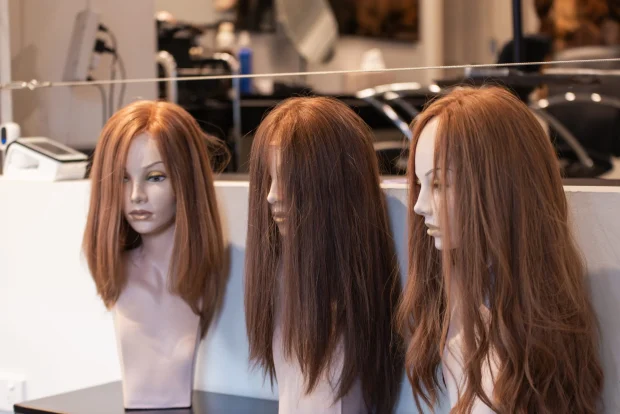
Scientists from the Silent Spring Institute examined 43 synthetic hair items purchased both online and in physical beauty stores. Their testing identified 169 different chemical substances. Several of them are typically used in industrial manufacturing, not personal care products.
Among the compounds detected were flame retardants, pesticide residues and additives designed to harden plastic fibers. Experts say these chemicals may be released through heat styling or prolonged wear. Many users keep synthetic braids installed for weeks. That long contact time may increase potential exposure through the scalp and skin.
Twelve of the substances appear on California’s Proposition 65 warning list. This registry highlights chemicals known to cause cancer, birth defects or reproductive problems. Researchers say the presence of these compounds in widely used hair products is concerning.
The team also found 17 chemicals associated with breast cancer in most of the samples tested. While the study did not measure direct health outcomes, scientists say repeated exposure over time could elevate risk. They are calling for more comprehensive safety testing.
Concerns over hair products marketed to Black women have been growing. Previous investigations have found carcinogens and even traces of lead in certain braiding brands. Advocacy groups argue that communities should not face disproportionate exposure to harmful substances.
For many women, synthetic braids are part of cultural identity and practical hair care. Experts stress that consumers deserve transparency about what they are wearing on their heads. The researchers are urging stricter regulation, clearer labeling and reformulation where necessary.
The beauty industry is now under pressure to respond. As awareness spreads, calls for safer alternatives and stronger oversight are likely to intensify.
Share this:

Discover more from ULIZA LINKS NEWS
Subscribe to get the latest posts sent to your email.