uliza digital
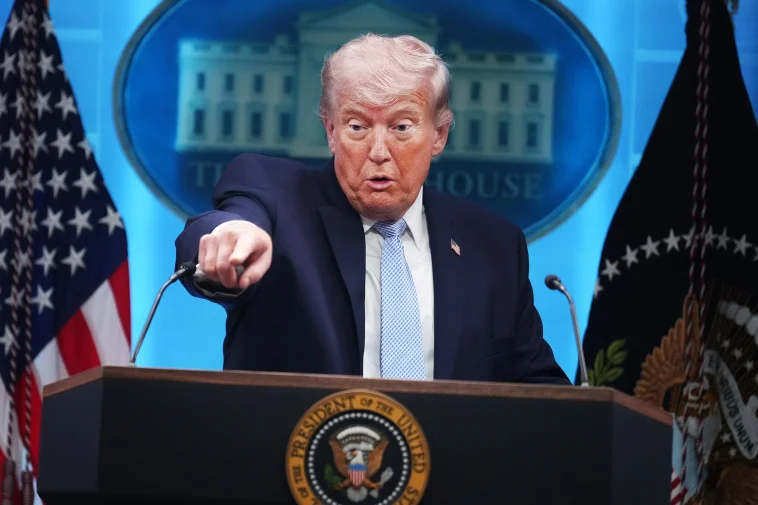
Global shipping lanes are facing new uncertainty after Donald Trump threatened to impose a naval blockade in the Strait of Hormuz following the collapse of high-stakes negotiations between Washington and Tehran.
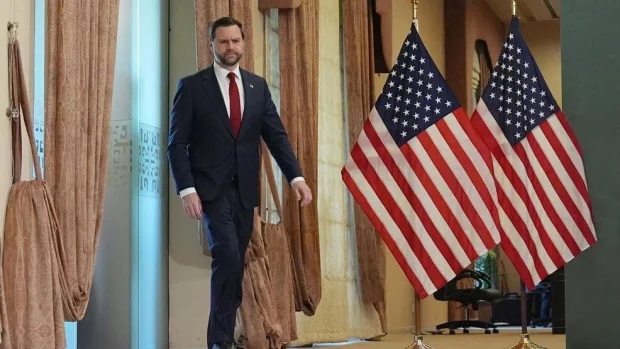
Trump announced the move after nearly 20 hours of talks in Islamabad failed to produce an agreement. The discussions focused heavily on Iran’s nuclear programme and freedom of navigation in the strategically vital waterway.
In a series of posts on Truth Social, Trump warned that the United States would take immediate action against ships linked to Iran. “I’ve instructed our Navy to seek and interdict every vessel in International Waters that has paid a toll to Iran,” he wrote. He added that “no one who pays an illegal toll will have safe passage on the high seas.”
The Strait of Hormuz is one of the world’s most important shipping corridors. A large share of global oil supplies passes through the narrow waterway each day. Any disruption there could shake energy markets and affect economies far beyond the Middle East.
Trump also accused Iran of blocking free movement through the strait. According to him, Iranian authorities have warned ships about possible mines in the area. “Iran has not allowed that to happen by merely saying, ‘There may be a mine out there somewhere,’” he said.
The US president further stated that American forces would begin removing mines allegedly placed in the channel. He warned that any attack on US vessels or commercial ships would be met with force, declaring that “any Iranian who fires at us… will be blown to hell.”
Iran has rejected the accusations and insists the strait remains open for civilian vessels. Officials in Tehran say the country still maintains control of the waterway and will respond strongly to any foreign military action.
Despite the tense rhetoric, Trump acknowledged that some progress was made during the negotiations. However, he insisted the central issue remains unresolved. “There is only one thing that matters; Iran is unwilling to give up its nuclear ambitions,” he said.
With talks stalled and threats escalating, the future of the Strait of Hormuz remains uncertain. Shipping companies are now watching closely, waiting to see whether diplomacy or confrontation will define the next chapter in the crisis.
Share this:

Discover more from ULIZA LINKS NEWS
Subscribe to get the latest posts sent to your email.