Link Press
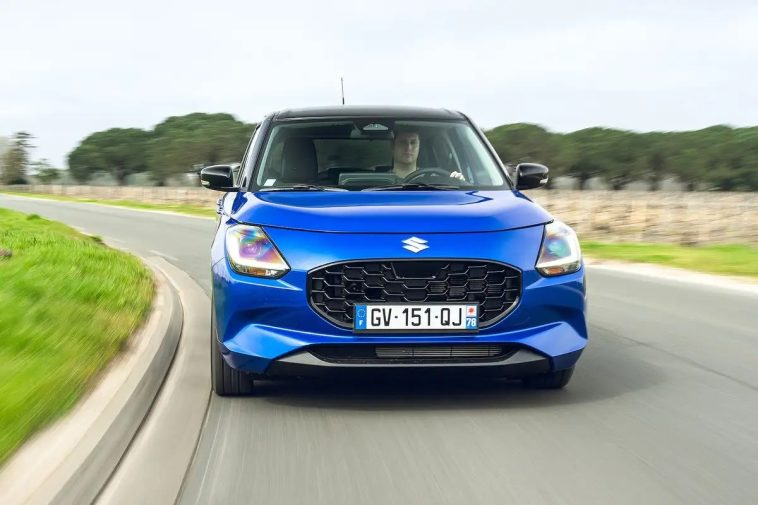
Learning how to import a car from Japan to Kenya can save you real money over buying from a local yard — but only if you go in knowing the full bill. The sticker price you see on a Japanese auction site is rarely half the story: by the time the Kenya Revenue Authority, KEBS and the clearing agent are done, the taxes alone can almost equal the value of the car itself. Get the sums right and you drive away happy; get them wrong and your “cheap” import becomes the most expensive lesson of your life.
This guide walks you through the entire journey in 2026 — the strict age rule that decides which cars you are even allowed to bring in, the exact taxes KRA charges and how they are calculated, a full worked example in shillings, the step-by-step process from auction to number plate, and an FAQ at the end. One honest caveat first: import duty rates, the CRSP valuation schedule and inspection fees change, so always confirm the current figures on the official KRA and KEBS websites before you commit a single shilling.
Can you still import any car? The 8-year rule explained
No. Before you fall in love with a car online, check its age. Kenya Bureau of Standards (KEBS) rules allow you to import a vehicle that is not more than eight years old from its year of first registration. In practical terms, for cars landing in 2026 that means a vehicle first registered from 1 January 2019 onwards. A 2018 model can no longer be legally imported — certificates of roadworthiness for 2018 vehicles stopped being valid at the end of 2025.
Two more non-negotiables: the car must be right-hand drive (left-hand-drive vehicles are barred except for special cases like ambulances and fire engines), and it must pass a pre-shipment inspection before it leaves Japan. That inspection confirms the car is roadworthy and matches the mileage and condition declared. Skip these checks and your car can be turned away at the port of Mombasa — after you have already paid for it.
What taxes does KRA charge when you import a car from Japan to Kenya?
This is where most first-time importers get a shock. When you import a car from Japan to Kenya, the Kenya Revenue Authority levies five separate charges, and each one is stacked on top of the last:
- Import Duty — 25% of the customs value of the car.
- Excise Duty — 20% for vehicles up to three years old, but 35% for older ones (most used imports fall here).
- Value Added Tax (VAT) — 16%, charged on the customs value plus the import duty plus the excise duty combined.
- Import Declaration Fee (IDF) — 3.5% of the CIF value (or a minimum of Sh5,000, whichever is higher).
- Railway Development Levy (RDL) — 2% of the CIF value.
Because VAT is charged on the duty and excise, not just the car, the taxes compound. That is the single biggest reason an import that looked like a bargain in yen ends up costing far more than expected once it hits Kenyan soil.
How is the duty actually calculated? Understanding CRSP
Here is the part almost nobody explains properly. KRA does not tax you on the price you paid at the Japanese auction. Instead it works out its own figure — the customs value — using a reference table called the Current Retail Selling Price (CRSP). The CRSP is KRA’s estimate of what your exact make, model, engine size and trim would retail for new in Kenya. It then applies a depreciation allowance for the car’s age to arrive at the taxable value.
The lesson: even if you buy a car cheaply, your tax bill is fixed by KRA’s CRSP figure, not your invoice. So before you buy, look your model up on the current CRSP schedule and run it through KRA’s official duty calculator. Never rely on a seller’s rosy estimate.
A worked example in real shillings
Suppose you want to import a 2019 Toyota Axio, 1500cc, and KRA’s CRSP-based customs value works out to Sh1,200,000. Because the car is more than three years old, it attracts the higher 35% excise rate. Here is how the bill builds up:
| Charge | Rate | Charged on | Amount (Sh) |
|---|---|---|---|
| Import Duty | 25% | Customs value (Sh1,200,000) | 300,000 |
| Excise Duty | 35% | Customs value + import duty | 525,000 |
| VAT | 16% | Customs value + duty + excise | 324,000 |
| IDF | 3.5% | CIF value | 42,000 |
| Railway Development Levy | 2% | CIF value | 24,000 |
| Total taxes | 1,215,000 |
Read that total again. On a car KRA values at Sh1.2 million, the taxes alone come to about Sh1.215 million — roughly doubling your cost before you have paid the clearing agent, the KEBS inspection or the number plates. On top of the taxes, budget for a QISJ pre-shipment inspection of around Sh12,000, a clearing agent fee of roughly Sh30,000–Sh50,000, and NTSA registration of about Sh13,000 plus Sh800 for the sticker. (All figures here are illustrative — your actual CRSP value and rates will differ.)
The step-by-step process, from auction to number plate
- Confirm the car qualifies. Check the year of first registration (must be 2019 or later for a 2026 import), confirm it is right-hand drive, and look up the model on the current CRSP schedule.
- Estimate the total cost first. Run the customs value through KRA’s official duty calculator and add shipping, inspection, clearing and registration. Only then decide if it is worth it.
- Buy through a reputable source. Whether you use a Japanese exporter, an auction agent or a Kenyan importer, insist on a clear invoice and confirmation the car will pass inspection. Avoid wiring large sums to anyone you cannot verify.
- Pre-shipment inspection. The car is inspected in Japan by QISJ, KEBS’s contracted agent, which issues a Certificate of Roadworthiness confirming it meets Kenyan standard KS 1515.
- Shipping and marine insurance. The car is shipped (usually roll-on/roll-off) to the port of Mombasa. Cover it with marine insurance for the voyage.
- Clearing at Mombasa. A licensed clearing agent lodges the customs entry, KRA verifies the VIN and engine, and you pay the assessed taxes. Clearance typically takes 7–14 days with complete paperwork.
- NTSA registration. Once cleared, the car is registered with NTSA, you receive a logbook and number plates, and it is finally legal to drive.
What documents do you need?
Have these ready to avoid costly delays at the port:
- Original commercial invoice from the seller.
- Original Japanese logbook (export certificate) and, where required, a deregistration certificate.
- Bill of lading from the shipping line.
- KEBS Certificate of Roadworthiness (from the pre-shipment inspection).
- Your KRA PIN certificate and national ID or passport.
- Import Declaration Form (IDF) lodged on KRA’s system.
Common mistakes and how to avoid them
The importers who get burned almost always make one of these errors. They budget on the auction price and forget the taxes double it. They fall for a 2018 or older car that can no longer be legally imported. They pay a “broker” in full before any inspection and never see the car or the money again. And they trust a verbal estimate instead of running the model through KRA’s own calculator. Slow down, verify everything in writing, and treat any deal that sounds too cheap as a warning, not a win.
Frequently asked questions
Is it cheaper to import a car from Japan to Kenya than to buy locally? It can be, especially for specific models, because you cut out the local dealer’s margin. But once you add every tax and fee, the gap is often smaller than people expect. Always compare the fully landed cost against a local yard price before deciding.
What is the oldest car I can import in 2026? One first registered on or after 1 January 2019 — the eight-year rule counts from the year of first registration, not the manufacture date.
Why is KRA taxing me more than the price I paid? Because duty is calculated on KRA’s CRSP customs value, not your invoice. A cheap purchase does not lower your tax bill.
How long does clearing take at Mombasa? Typically 7–14 days if your documents are complete; missing or incorrect paperwork is the main cause of delays and storage charges.
Do I need a clearing agent? In practice, yes. Customs clearance is complex and a licensed agent handles the entry, verification and payment far faster than a first-timer can alone.
Once you know how to import a car from Japan to Kenya, the smart move is simple: do the maths before you fall for the car, not after. Confirm the age, look up the CRSP value, run KRA’s calculator, and add every fee. This article is educational information only and not financial or tax advice — rates and rules change with each budget cycle, so verify the current figures with KRA and KEBS before you commit.
Sources
- Kenya Revenue Authority — Motor Vehicle Import Duty (official)
- Kenya Bureau of Standards (KEBS) — imports and inspection
- AutoMag Kenya — Car import duties in Kenya: full guide to KRA fees and clearance
- The Kenya Times — KEBS new rules for importing used cars from January 2026
- ULIZA LINKS — How to File KRA Returns Online (you will need your KRA PIN)
- ULIZA LINKS — How to Buy Land in Kenya Safely
Share this:

Discover more from ULIZA LINKS NEWS
Subscribe to get the latest posts sent to your email.