 uliza digital
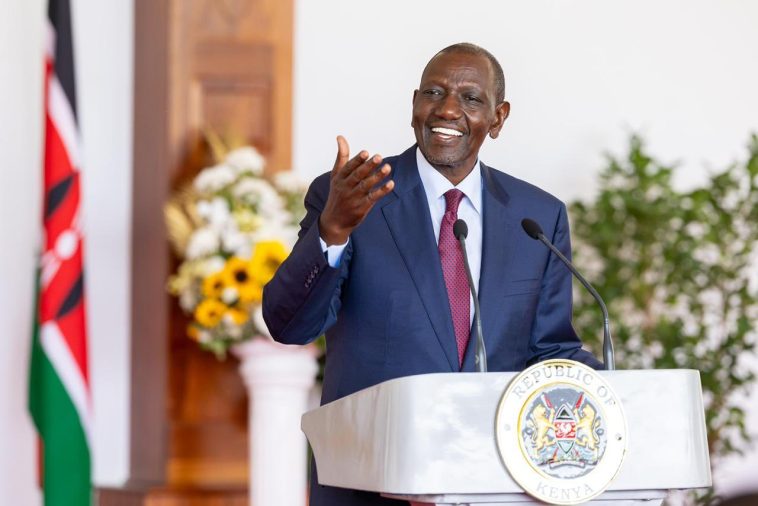
President William Ruto has defended the high cost of fuel in Kenya, saying the pricing reflects the country’s development level and infrastructure demands. His remarks come amid growing public concern over expensive fuel compared to neighbouring countries like Uganda and Tanzania.
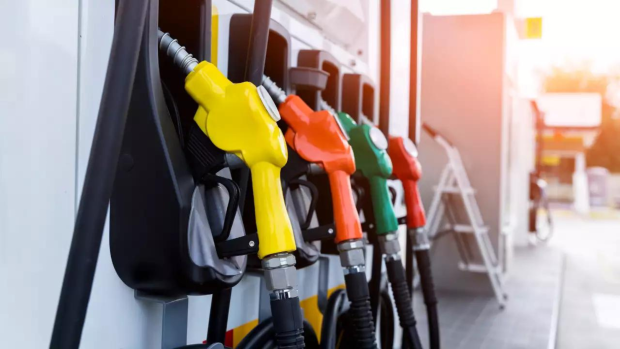
William Ruto explained that Kenya should not be compared with less developed economies, arguing that its economic status places it in a different category. Speaking during a church service in Karen on April 19, he said comparisons should be made with countries at a similar level of development.
“There is a big difference. If you want to compare Kenya fairly with others, compare Kenya with other middle-income countries,” Ruto said, defending the pricing structure. He added that fuel costs are influenced by national development needs, especially road infrastructure.
The President also linked fuel pricing to road maintenance levies and infrastructure funding. He said these charges help maintain and expand the country’s transport network, which he described as essential for economic growth.
Ruto noted that Kenya currently maintains over 20,000 kilometres of tarmac roads, with thousands more under construction. He argued that this extensive network requires significant funding, which is partly supported through fuel-related taxes and levies.
According to him, the revenue collected from fuel helps improve connectivity, trade, and mobility across the country. He maintained that such investments benefit the economy in the long term, even if they increase fuel costs in the short term.
The remarks come as Kenyans continue to question why fuel prices remain higher than in neighbouring East African countries. The debate has intensified public pressure on the government to review taxes and reduce transport costs.
Critics argue that high fuel prices are driving up the cost of living, including food and transport fares. However, the government maintains that the current system is necessary to support national development priorities.
As discussions continue, fuel pricing remains a major economic and political issue, with calls growing for a balance between affordability and infrastructure funding.
Share this:

Discover more from ULIZA LINKS NEWS
Subscribe to get the latest posts sent to your email.



You must be logged in to post a comment.